Chiropractic Care and Posture: Assessment, Mobility, and Realistic Goals
Chiropractic care and posture correction can support mobility, body awareness, and more comfortable movement when treatment is matched to the factors affecting posture. Arrowhead Clinic Chiropractic - Albany assesses movement and posture to set practical goals without promising permanent structural change.
Request an EstimateCan Chiropractic Care Improve Posture?
Chiropractic care may improve posture-related movement by addressing restricted mobility, joint mechanics, and movement habits, but results depend on the factors affecting each person’s posture.
Posture describes how the body holds its position during rest and movement. Spinal alignment is one part of posture, but movement patterns, muscle balance, joint function, and daily habits also affect how the neck, shoulders, spine, pelvis, and hips move.
Our team looks at how the body moves instead of judging posture from one still position. We use that information to guide conservative musculoskeletal care and select goals that relate to comfort, control, and daily activities.
What We Assess When Posture Is a Concern
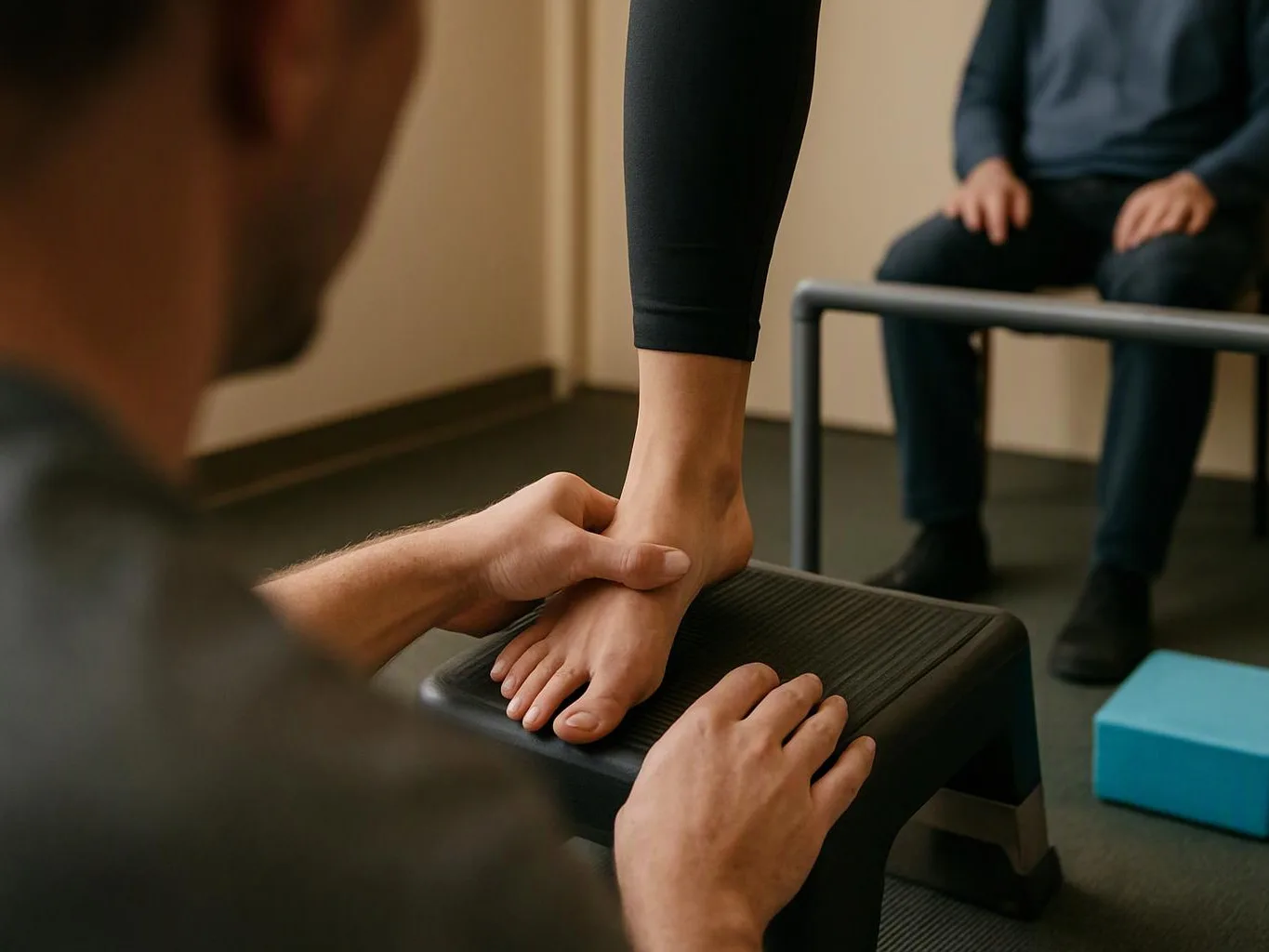
Our posture assessment examines how spinal mobility, joint movement, muscle tension, and daily movement habits relate to the posture concern.
Posture can change across work, exercise, sleep, and other activities. We connect the assessment to the movements that matter most to you so our plan addresses function as well as body position.
The findings help us decide whether mobility care, movement practice, or a chiropractic adjustment fits your goals. We also use the assessment to identify movements that need attention outside the office.
How Chiropractic Adjustments May Support Mobility
A chiropractic adjustment may support mobility by addressing joint movement and spinal mechanics that influence how the body moves and holds position.
An adjustment uses a controlled technique to help a joint move within an appropriate range. The goal is not to force the body into a fixed posture. Our team matches the approach to the assessment, your comfort, and the movement problem being addressed.
Improved joint mobility may make some movements feel easier, but an adjustment is only one part of movement care. We may pair it with mobility exercises, strengthening exercises, and changes to movement habits when those steps support your functional goals.
What Posture Correction Can and Cannot Promise
Posture correction can support better movement control and body awareness, but chiropractic care cannot promise permanent correction of every posture problem.

Realistic goals may include more comfortable movement, improved range of motion, and greater awareness of body position during daily activities. These outcomes depend on the cause of the concern, joint function, muscle balance, and how consistently helpful movement habits are practiced.
Some posture patterns involve forward head posture, rounded shoulders, anterior pelvic tilt, or thoracic mobility restriction. These patterns may be influenced by structure, injury history, strength, flexibility, work demands, or repeated positions.
Our team focuses on useful changes that can be observed in movement and daily function. We do not promise that every visible alignment difference will permanently change.
Treatments and Habits That May Complement Chiropractic Care
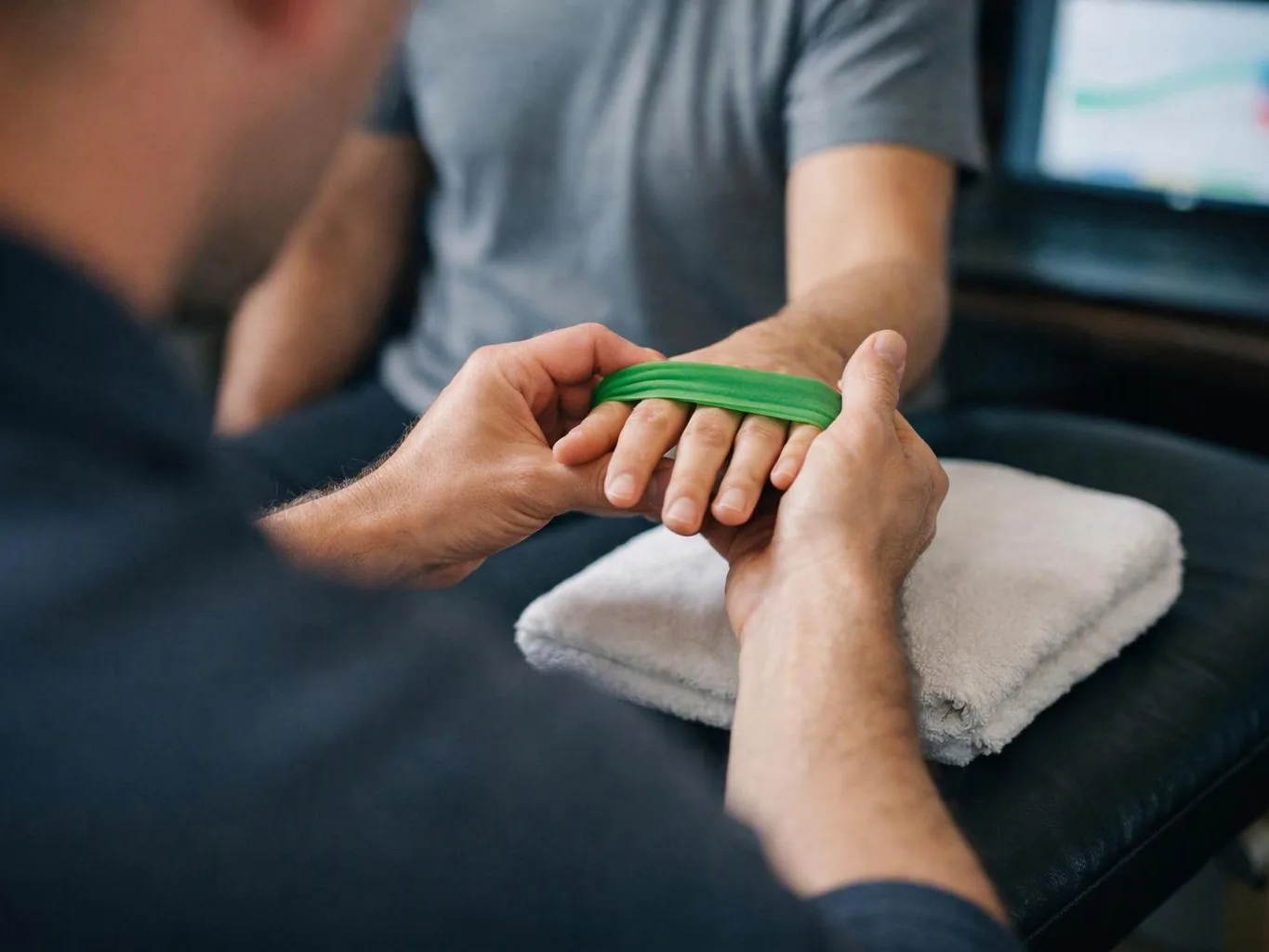
Mobility exercises, strengthening, ergonomic adjustments, and consistent movement habits may complement the work we do for posture and mobility.
These tools address different parts of the movement problem. We help connect each option to your assessment so home care remains practical for your routine.
We adjust home care to your abilities, symptoms, and schedule. The purpose is to build movement awareness and control without treating posture as a position you must hold all day.
How We Set Practical Posture Goals
We set posture goals around measurable changes in movement quality, comfort, mobility, and daily function rather than promising a fixed permanent posture.
Our team reviews the findings with you and connects each goal to an activity that matters. Progress can involve how you move, how comfortable a position feels, or how well you manage a daily task.
These steps keep posture improvement focused on useful function. They also make it easier to recognize when a different type of evaluation may be needed.
Questions About Posture Correction and Mobility
Can chiropractic adjustments permanently correct posture?
Arrowhead Clinic Chiropractic - Albany cannot promise that chiropractic adjustments will permanently correct every posture problem. Adjustments may support joint mobility and movement comfort, while lasting progress also depends on strength, daily habits, body awareness, and the factors affecting posture.
What should I expect during a posture assessment?
A posture assessment reviews spinal mobility, joint movement, muscle tension, movement patterns, and daily habits. We connect those findings to your comfort and functional movement goals.
What exercises may support posture correction?
Mobility exercises and strengthening exercises may support posture correction when they match the movement factors identified during assessment. We may also recommend practical home exercises, ergonomic changes, and movement breaks that fit your daily activities.
Posture correction works best when the plan reflects your movement, comfort, and daily needs. Contact Arrowhead Clinic Chiropractic - Albany to discuss an assessment and practical mobility goals.
Contact our team to take the next step.