Chiropractic Care for Back Pain: Potential Outcomes and Evidence Limits
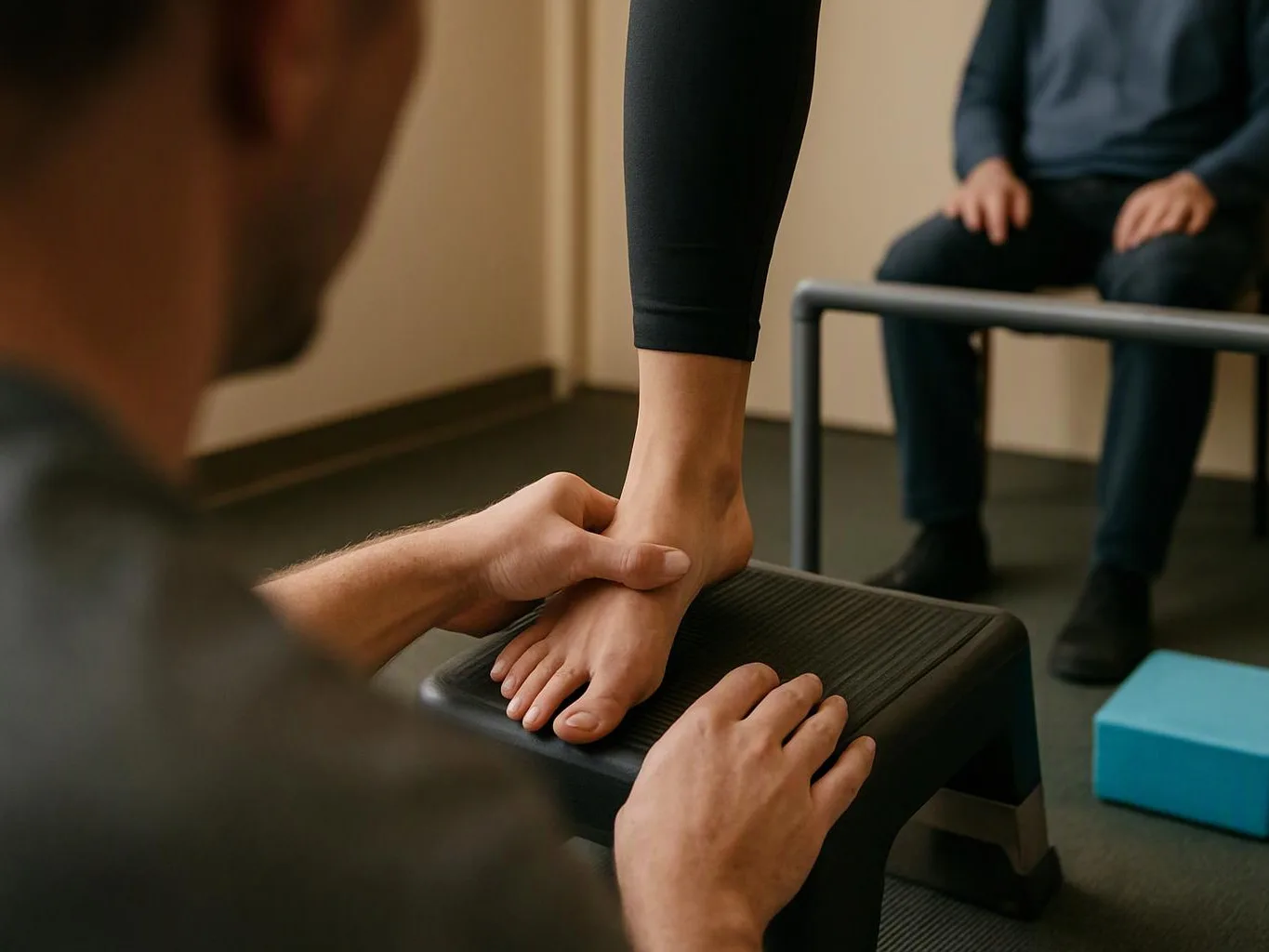
Chiropractic care for back pain may provide short-term improvements in pain and function for some people, but evidence varies by condition and does not guarantee lasting relief; Arrowhead Clinic Chiropractic - Albany uses an individualized assessment to determine whether chiropractic adjustment fits the person’s needs.
Request an EstimateDoes Chiropractic Care Help Back Pain?
Chiropractic care can help some people with back pain, but the likely benefit depends on the cause, severity, duration, and individual response.
Spinal manipulation and other manual techniques may affect movement in the spinal joints and nearby muscles. These changes may reduce pain and support physical function for some people.
Our team first considers the symptom pattern and health history before discussing whether chiropractic treatment fits. We also explain what outcomes are reasonable and when another form of care or clinical referral may be more appropriate.
What Outcomes Can Chiropractic Adjustment Improve?
Chiropractic adjustment may support several practical outcomes when the symptoms involve movement-sensitive muscles or joints. Results differ because back pain has many possible causes.
These outcomes describe possible changes, not a promise of pain relief. We use the person’s response and treatment goals to decide whether the plan should continue, change, or stop.
How Strong Is the Evidence for Spinal Manipulation?
Spinal manipulation is supported by clinical evidence as one conservative option for some low back pain, while study differences and variable patient responses limit broad conclusions.
Research on low back pain often includes people with different causes, symptom durations, treatment plans, and outcome measures. This makes it difficult to apply every finding to every person.
Evidence tends to be more useful for short-term outcomes than for predicting lasting relief. Important evidence limitations include differences in technique, comparison treatments, patient groups, and how pain or function is measured.
We treat research as one part of a clinical assessment. Our team also considers the person’s symptoms, goals, response to care, and need for other conservative treatment.
Why Do Back Pain Outcomes Differ Between People?
Back pain cause is one reason outcomes differ, because similar symptoms can come from different tissues or conditions. We use the history and symptom pattern to help guide the next step.

We adjust the care discussion to these factors instead of assuming that one treatment approach will work for every person. A changing symptom pattern can also signal the need for a new clinical evaluation.
How Does Chiropractic Care Compare With Other Conservative Treatments?
Chiropractic care is one conservative back-pain option, and the appropriate choice depends on the person’s symptoms, goals, preferences, and clinical assessment.
Physical therapy may focus on guided movement, strength, and activity practice. Exercise therapy and self-management may help people build skills for managing symptoms during daily life.
These approaches can serve different roles within conservative care. We use shared treatment decisions to discuss which options match the person’s needs and whether combining approaches makes sense.
Our Back Pain Treatment service focuses on understanding the problem before selecting a care approach. We explain the expected role of adjustment, movement, and other conservative strategies without presenting one option as right for everyone.
When Should Back Pain Be Assessed Before Chiropractic Treatment?
Back pain assessment should come before chiropractic treatment when symptoms suggest trauma, neurological involvement, or another condition requiring medical evaluation.
Neurological symptoms can include new or worsening weakness, changes in sensation, or problems with normal control of body functions. Significant trauma, severe or unusual symptoms, or signs of serious underlying conditions also call for prompt clinical attention.
We review medical history and symptom changes during the clinical assessment. When the presentation falls outside the appropriate scope of chiropractic care, we explain the need for clinical referral before proceeding.
How Arrowhead Clinic Chiropractic - Albany Evaluates Whether Chiropractic Care Fits Your Back Pain
Our team uses an individualized assessment to connect the patient’s symptoms, goals, and physical findings with an appropriate care plan.
Our approach is designed to keep care focused on the person rather than on a broad promise about back pain. The goal is to identify a suitable conservative treatment path and make changes when the clinical picture calls for them.
Questions About Chiropractic Care and Back Pain Evidence
Is spinal manipulation effective for low back pain?
Spinal manipulation can provide short-term improvement for some people with low back pain, but treatment response varies and the evidence does not guarantee lasting relief; Arrowhead Clinic Chiropractic - Albany uses clinical assessment to determine whether it fits the person’s symptoms.
Can chiropractic care help chronic back pain?
Chiropractic care may help some people with persistent back pain by supporting movement and function, but the result depends on the cause, health history, goals, and individual response.
What types of back pain may respond to chiropractic care?
Back pain linked to movement-sensitive muscles or joints may respond to chiropractic care, while radiating pain, disc-related symptoms, or symptoms after trauma require careful assessment before treatment.
Is chiropractic care safe for everyone with back pain?
Chiropractic care is not appropriate for everyone with back pain, so symptoms, medical history, trauma, and neurological symptoms should be assessed before treatment.
Can chiropractic care be combined with exercise therapy?
Chiropractic care can be combined with exercise therapy when the combination matches the person’s symptoms, physical function, and treatment goals.
Arrowhead Clinic Chiropractic - Albany can review your back pain, discuss the evidence limits, and explain whether chiropractic care fits your needs.
Contact our team about your back pain assessment.
Get a Free Estimate