Herniated Disc Symptoms and When to Seek an Evaluation
Herniated disc symptoms can include localized back or neck pain, radiating limb pain, numbness, tingling, or weakness, and Arrowhead Clinic Chiropractic - Albany evaluates the symptom pattern and recommends appropriate next steps.
Request an Estimate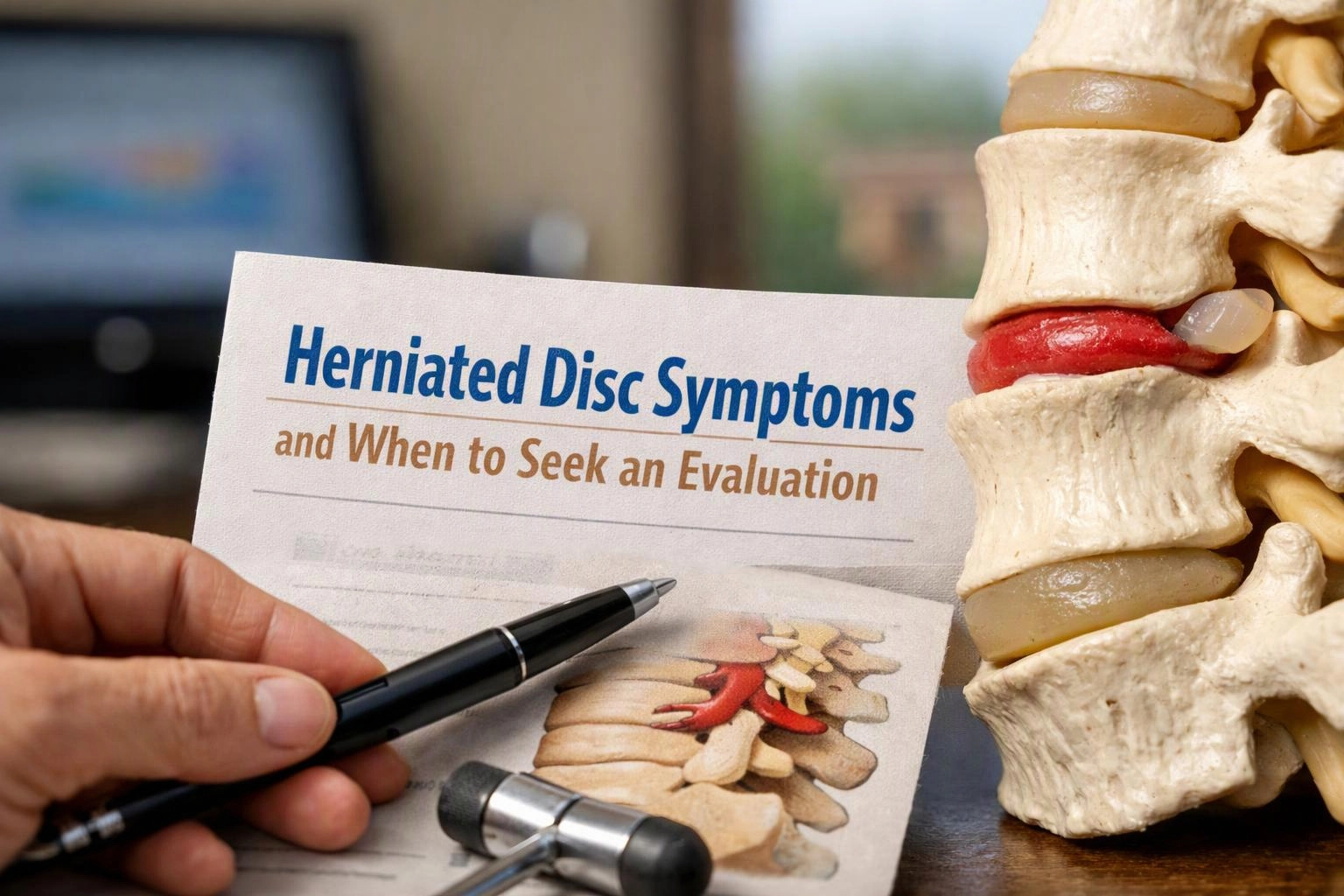
What Is a Herniated Disc?
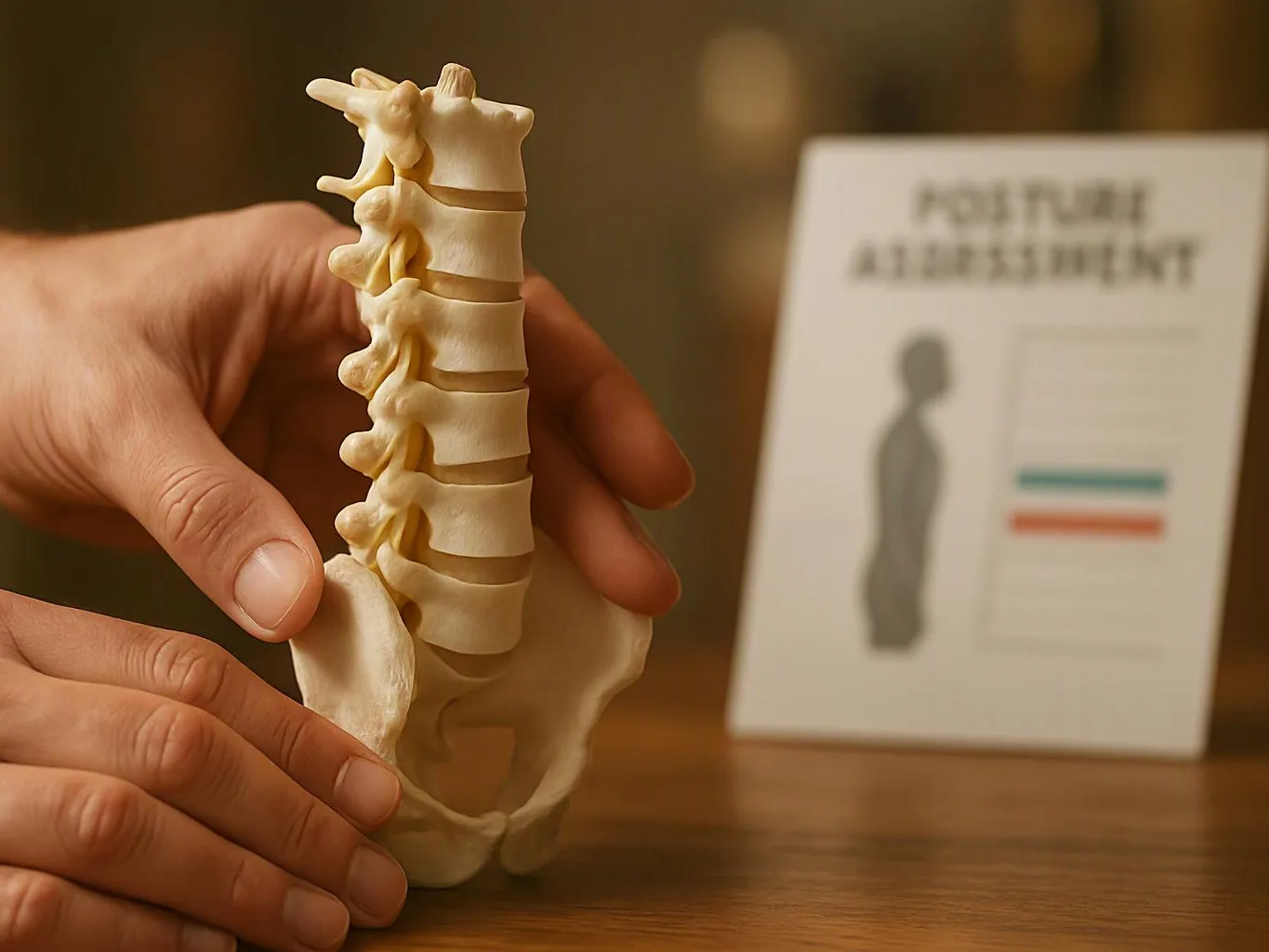
A herniated disc is a spinal condition that occurs when the soft nucleus pulposus pushes through a weakened or damaged annulus fibrosus in an intervertebral disc. The disc sits between the vertebrae and helps the spine absorb movement and support the body.
Disc material can irritate or press on a spinal nerve or spinal nerve root. We use the symptom pattern, movement findings, and neurological signs to help determine whether the spine may be involved.
What Are the Common Symptoms of a Herniated Disc?
Common herniated disc symptoms depend on the disc location and the nearby nerve structures. We ask how symptoms began, where they travel, and whether they affect strength or sensation.
Symptoms may stay near the spine or extend into a limb. A symptom review helps us separate local irritation from signs that may involve a spinal nerve.
How Can a Herniated Disc Cause Sciatica or Numbness?
Yes, a herniated disc can cause sciatica, arm or leg numbness, and radiating pain when disc material irritates or compresses a spinal nerve.
Sciatica usually describes nerve-related pain that travels from the low back or buttock into the leg. In the neck, similar nerve root compression can cause arm pain, arm numbness, or tingling in the hand.
We look at the location and behavior of symptoms during a chiropractic evaluation. That information helps guide safe care planning and identifies when urgent medical attention may be needed.
What Can Cause a Herniated Disc?
Several factors can weaken or stress an intervertebral disc over time. We review the activity or injury history because the cause can affect movement recommendations.
A bulging disc or disc protrusion may also affect nearby tissues. We do not assume that imaging alone explains every symptom, so we connect the findings with the clinical picture.
When Should You Seek an Evaluation?
You should seek an evaluation for persistent or radiating pain, new numbness or weakness, worsening symptoms, or urgent warning signs involving bowel, bladder, or saddle sensation.
A clinical evaluation is appropriate when pain does not settle, returns during normal activity, or travels into an arm or leg. Progressive weakness, significant changes in walking, bowel or bladder changes, and saddle numbness are red flag symptoms that require urgent medical attention.
We screen for these concerns before planning chiropractic care. If the symptom pattern falls outside routine chiropractic treatment, we explain the need for prompt medical assessment.
How Do Herniated Disc Symptoms Differ by Location?
Herniated disc symptoms differ by location because each spinal region affects different nerves and body areas. The table below gives a practical reference for common symptom patterns.
| Spinal location | Possible symptoms | What we assess |
|---|---|---|
| Cervical spine | Neck pain, shoulder discomfort, arm symptoms, or hand tingling | Neck movement, arm sensation, and strength changes |
| Thoracic spine | Mid-back pain or discomfort that may follow the rib area | Trunk movement and symptoms around the chest or ribs |
| Lumbar spine | Low back pain, leg symptoms, or sciatica | Low-back movement, leg sensation, and lower-limb strength |
Location alone does not confirm a disc herniation. We compare the reported symptoms with the physical examination and neurological screening.
What Can Help Prevent Symptoms From Worsening?
Simple movement habits can reduce added stress while symptoms are being evaluated. We tailor activity advice to the person’s symptoms, mobility, and daily demands.
Do not push through increasing numbness, weakness, or radiating pain. We can help identify safer movement options during an evaluation.
Can Chiropractic Treatment Help Herniated Disc Symptoms?
Yes, chiropractic treatment may help some people manage herniated disc-related pain and movement limitations after an evaluation determines that chiropractic care is appropriate.
Our approach may include a spinal evaluation, movement assessment, and manual therapy when those options fit the findings. We focus on the person’s symptoms, range of motion, and response to care.
Our Herniated Disc Treatment approach is based on the examination rather than the label alone. Back pain treatment and sciatica treatment may require different care plans depending on nerve irritation, movement limits, and neurological findings.
How We Evaluate Herniated Disc Symptoms
Our chiropractic evaluation connects your symptom history with physical findings and a clear care plan. Each step helps us decide whether chiropractic treatment is suitable.
Our team uses the findings to build a practical plan around your goals and symptom response. We also explain warning signs that should change the next step.
When to Contact Arrowhead Clinic Chiropractic - Albany
Contact Arrowhead Clinic Chiropractic - Albany when back or neck pain persists, radiating symptoms interfere with daily activity, or numbness and weakness raise concern.
We provide a focused evaluation for people seeking herniated disc treatment, back pain treatment, or sciatica treatment. Our team reviews the symptom pattern and explains whether chiropractic care is an appropriate next step.
Free Consultations are available for discussing your concerns and arranging an evaluation. Use the contact link to reach our team and request guidance based on your symptoms.
Contact Arrowhead Clinic Chiropractic - AlbanyQuestions About Herniated Disc Symptoms
Can a herniated disc heal on its own?
A herniated disc may become less painful over time, but symptoms still deserve attention when pain persists, travels into a limb, or includes numbness or weakness. Arrowhead Clinic Chiropractic - Albany evaluates the symptom pattern and helps determine an appropriate next step.
Can a herniated disc get worse if left untreated?
Yes, symptoms can worsen or become more limiting when an irritating movement pattern continues. New or progressive weakness, bowel or bladder changes, and saddle numbness require urgent medical attention.
What does a herniated disc feel like in the lower back?
A lower-back herniated disc can feel like localized low back pain, sharp or shooting pain, or pain that travels into the buttock or leg. Numbness, tingling, or muscle weakness can occur when a lumbar spinal nerve is irritated.
Should you use heat or ice for herniated disc pain?
Heat or ice may feel helpful for some people, but the better choice depends on the symptom pattern and personal response. We discuss symptom-safe comfort measures during an evaluation and advise urgent care when red flag symptoms appear.
Related Resources
Chiropractor or Physical Therapist: Which Is the Better Fit?
Compared ToPrenatal Chiropractic Care or Another Provider for Pregnancy Back Pain?
What Goes With ItHow Chiropractors Determine Visit Frequency and Track Progress
What's RequiredSymptoms That Need Medical Attention Before Chiropractic Care