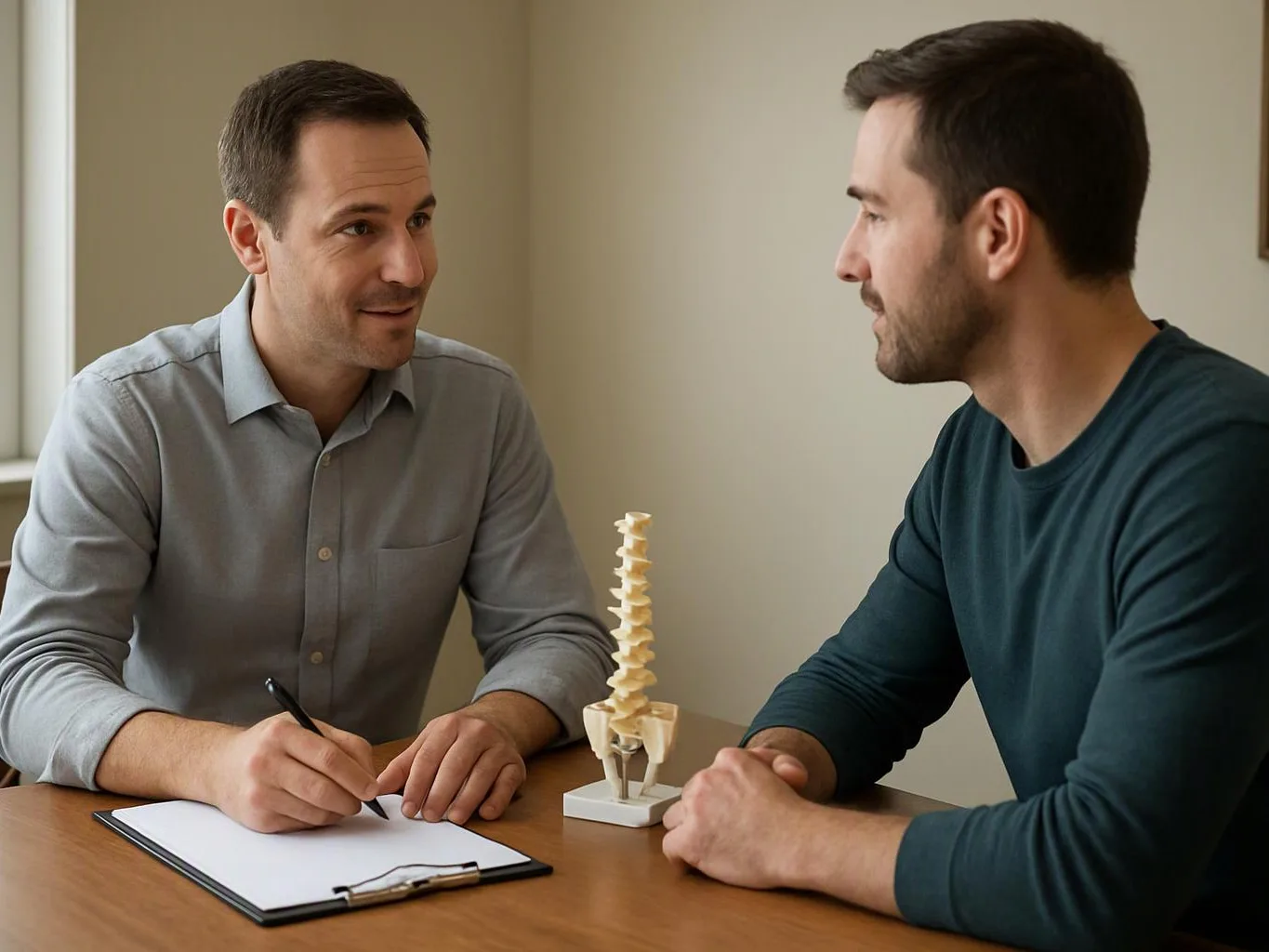
When Lower Back Pain May Need a Chiropractic Evaluation
A chiropractor for lower back pain may help when symptoms appear musculoskeletal and lack urgent warning signs; Arrowhead Clinic Chiropractic - Albany evaluates your history, symptoms, and movement before explaining whether chiropractic care is appropriate.
Request an EstimateWhen Lower Back Pain May Need a Chiropractic Evaluation
A chiropractic evaluation may be appropriate when lower back pain appears related to the muscles, joints, movement, or spinal mechanics and does not include urgent warning signs.
Chiropractic evaluation assesses lower back pain and whether chiropractic care is appropriate. We review your medical history, symptom pattern, and movement to understand whether the pain appears musculoskeletal.

Which Lower Back Pain Signs Should You Discuss With Us?
Lower back pain signs help us decide whether the complaint may involve muscles, joints, nerves, or movement patterns. Share the full symptom pattern so our team can choose the safest next step.
These symptoms are useful to discuss during an evaluation:
What Common Causes Can Lead to Lower Back Pain?
Common causes of lower back pain include stress on the back muscles, spinal joints, and movement system. Our team considers the activity and symptom pattern before connecting the complaint to a possible cause.
Common contributors include:
When Should Medical Care Come Before Chiropractic Care?
Medical care should come first when lower back pain includes severe or progressive neurological symptoms, loss of bladder or bowel control, saddle numbness, serious trauma, fever, or signs of significant illness.
These warning signs can point to a problem that needs prompt medical evaluation. We use the following guide to help explain when chiropractic care should wait.
| Warning sign | Recommended next step |
|---|---|
| Loss of bladder control or loss of bowel control | Seek urgent medical care. |
| Saddle numbness or progressive weakness | Obtain prompt medical evaluation. |
| Serious trauma | Have the injury assessed medically before chiropractic care. |
| Fever or signs of unexplained illness | Speak with a medical provider about the cause. |
Can Chiropractic Care Help With Acute Low Back Pain?
Yes, chiropractic care may help some people with acute low back pain when the symptoms appear musculoskeletal and the evaluation does not identify a reason for urgent medical care.
We assess symptom history, movement tolerance, and physical findings before discussing a chiropractic adjustment. The goal is to choose care that matches the clinical assessment and supports comfortable movement.
Our Back Pain Treatment approach may address mechanical back pain, muscle strain, joint irritation, and related movement limits when those findings fit the evaluation.
What Happens During a Lower Back Pain Evaluation?
A lower back pain evaluation begins with your pain history and continues with a physical and movement assessment. We use the findings to decide whether a chiropractic adjustment is appropriate.
What Should You Tell Us About Your Back Pain?
You should tell us when the pain began, what changes it, where it travels, whether numbness or weakness is present, and which injuries or health factors may affect the evaluation.
Include details about pain onset, pain severity, pain location, and radiating symptoms. Tell our team about numbness, tingling, weakness, previous injuries, health conditions, medications, and pregnancy.
Clear details help us understand the symptom pattern and identify when a medical referral may be more suitable than chiropractic care.
Can Pregnancy Cause Lower Back, Pelvic, Hip, or Sciatica-Like Pain?
Yes, pregnancy can contribute to lower back, pelvic, and hip pain or sciatica-like symptoms, but pregnancy-related pain should be discussed with the prenatal care team and evaluated with pregnancy-appropriate guidance.
Pregnancy-related movement changes can affect the lower back, pelvis, hips, and surrounding muscles. Prenatal chiropractic care focuses on an evaluation that accounts for pregnancy and the symptoms you report.
Tell us about your pregnancy before any chiropractic adjustment. We coordinate our recommendations with the guidance of your prenatal care team, especially when pain is severe, unusual, or accompanied by other concerns.
How Can You Reduce Common Triggers for Lower Back Pain?
Lower back pain prevention starts with reducing repeated stress and keeping daily movement comfortable. Our team can help you connect common triggers with your posture, activity, and movement habits.
How We Explain Treatment Options After the Evaluation
Arrowhead Clinic Chiropractic - Albany explains whether chiropractic care fits the findings, what the recommended care involves, and what the patient should do next; our team provides upfront pricing, offers Free Consultations, and provides same-day service.
We connect the examination findings to a clear treatment plan. That plan may include a chiropractic adjustment, movement guidance, or a medical referral when the symptoms call for medical evaluation.
Our team explains what the recommended Back Pain Treatment includes and how the findings shape the next step. You can use our contact page to discuss your concerns and request an appointment.
Contact Arrowhead Clinic Chiropractic - Albany for a Free Consultations appointment and same-day service information.
Questions About Lower Back Pain Evaluations
What conditions does chiropractic care treat best?
Chiropractic care best fits musculoskeletal conditions involving the muscles, joints, movement patterns, and spinal mechanics when urgent warning signs are absent. Arrowhead Clinic Chiropractic - Albany evaluates the symptom pattern before recommending care.
Is lower back pain after an injury suitable for a chiropractic evaluation?
Lower back pain after an injury may be suitable for a chiropractic evaluation when the injury is not serious and no warning signs are present. Serious trauma, progressive weakness, or bowel and bladder changes require medical evaluation first.
Should I mention pregnancy before a chiropractic adjustment?
Yes, mention pregnancy before a chiropractic adjustment so the evaluation and care plan can account for pregnancy-related movement changes. Share your prenatal care guidance with our team before care begins.
Related Resources
Chiropractor or Physical Therapist: Which Is the Better Fit?
Compared ToChiropractic Care or Another Provider for a Work Injury?
Compared ToChoosing a Provider for Headaches or Migraines: Questions to Consider
Compared ToPrenatal Chiropractic Care or Another Provider for Pregnancy Back Pain?