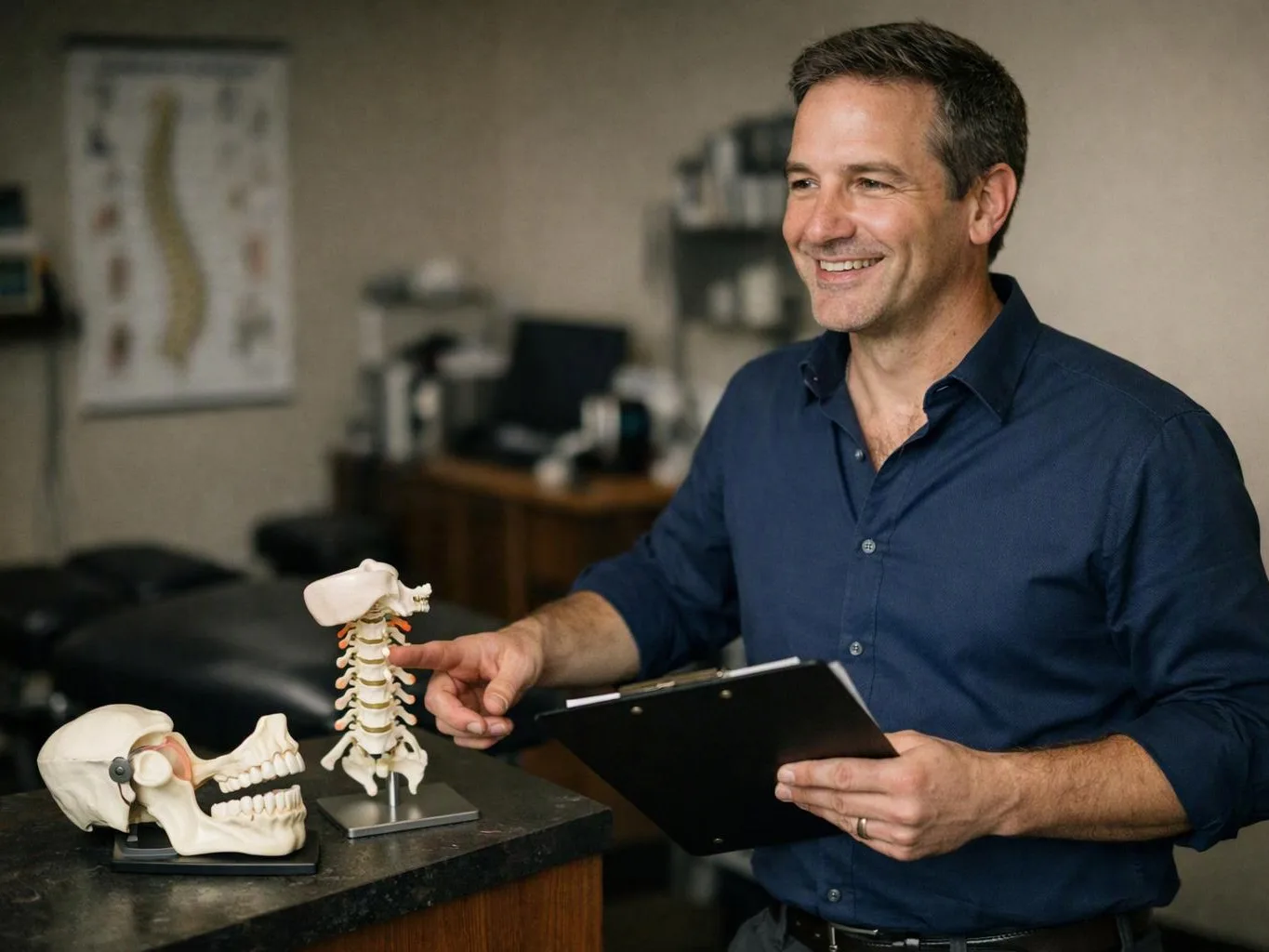
Choosing a Provider for Scoliosis Care in Albany, Georgia
Scoliosis care depends on symptoms, diagnosis, age, and treatment goals; Arrowhead Clinic Chiropractic - Albany helps assess whether chiropractic care fits alongside appropriate medical or orthopedic oversight. Our approach compares musculoskeletal support, medical evaluation, progression monitoring, and referral needs.
Request an EstimateWhich Provider Is Right for Scoliosis Care?
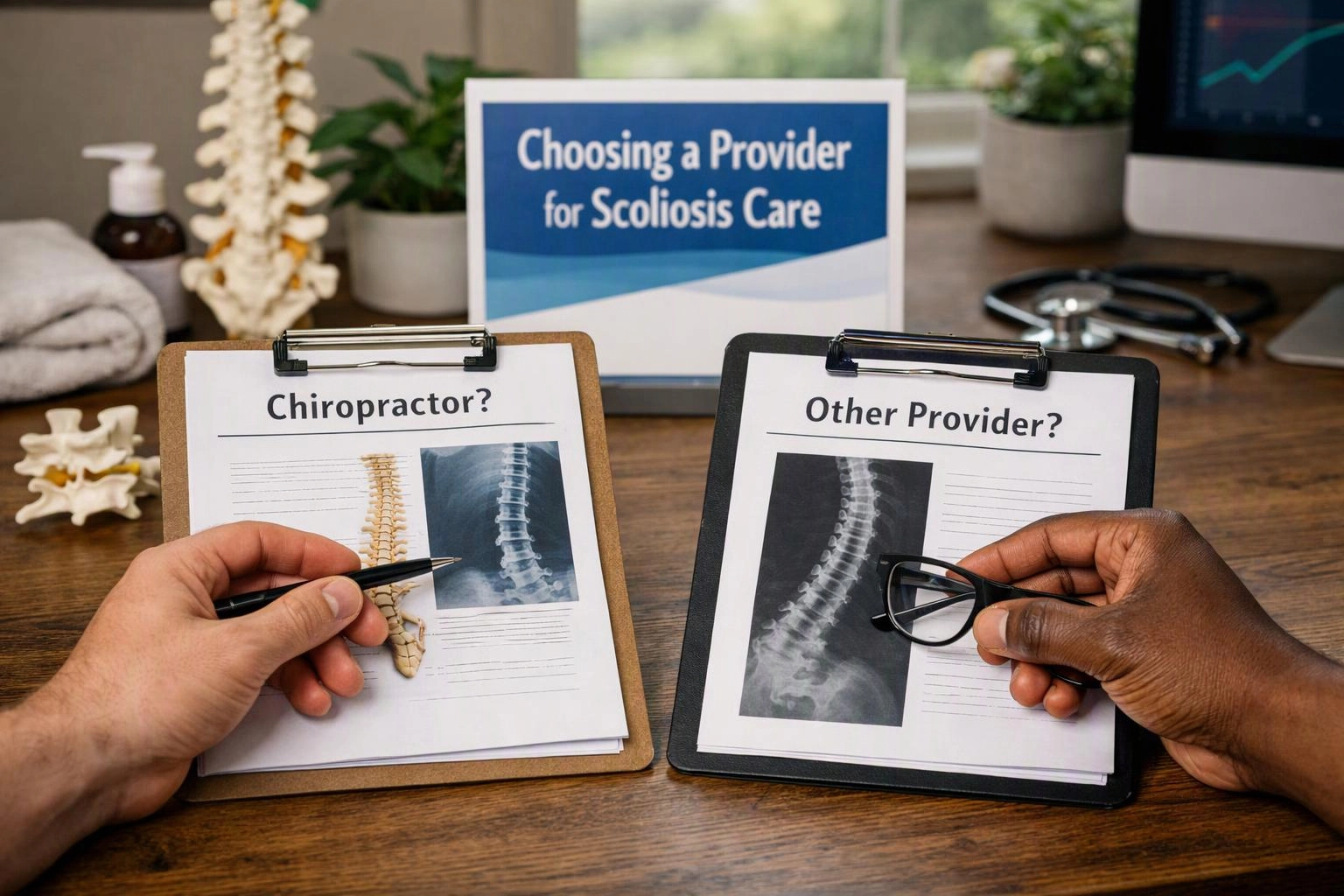
The right scoliosis provider depends on the diagnosis, symptoms, age, progression concerns, and type of care needed. A chiropractor can assess movement and musculoskeletal symptoms, while a primary care provider or orthopedic provider can guide diagnosis and medical treatment.
A physical therapist may help build movement skills and support functional goals. We consider the available diagnosis, current symptoms, and desired outcome before discussing whether chiropractic care belongs in the care plan.
For readers comparing options, our Scoliosis Treatment information explains where our care may fit within coordinated spine care.
Options at a glance help clarify the starting point:
Chiropractor vs Other Providers for Scoliosis
A chiropractor may suit mobility and musculoskeletal support, while medical and orthopedic providers address diagnosis, progression monitoring, and treatment decisions that require medical oversight. Cost drivers include the type of evaluation, imaging or medical services involved, the care plan, and coordination needs.
Care timelines and maintenance needs vary with symptoms, age, diagnosis, and treatment goals. We explain what our care includes before treatment begins, while medical and orthopedic plans may involve separate evaluations or referrals.
| Factor | Chiropractic care | Medical or orthopedic care | Physical therapy |
|---|---|---|---|
| Cost drivers | Assessment, care plan, and follow-up needs | Medical evaluation, imaging, bracing, or surgical consultation | Evaluation, exercise planning, and visit needs |
| Care timeline | Based on mobility, symptoms, and functional goals | Based on diagnosis, progression concerns, and medical decisions | Based on movement goals and response to exercise |
| Maintenance | May focus on ongoing movement and symptom support | Follow-up depends on medical findings and treatment decisions | May include continued exercises and functional practice |
| Best-fit patient | Someone seeking conservative musculoskeletal support | Someone needing diagnosis, monitoring, bracing, or surgical guidance | Someone seeking guided movement and function training |
What Chiropractic Care Can Contribute to Scoliosis Management
Chiropractic care can focus on musculoskeletal assessment, movement, mobility, and symptom support without replacing medical evaluation when scoliosis requires it. We review spinal mobility, posture, movement patterns, and functional goals to understand how symptoms affect daily activity.
Our team uses that information to discuss conservative care and appropriate next steps. When the situation calls for medical oversight, we support care coordination and a referral decision instead of treating the chiropractic visit as a substitute for diagnosis or orthopedic management.
Advantages of Chiropractic Care
Chiropractic care may be useful when the main goal is musculoskeletal support and improved movement. We shape the discussion around the person’s symptoms, examination findings, and treatment goals.
Best for: patients seeking musculoskeletal support, mobility guidance, and a chiropractic consultation that fits within appropriate care coordination.
Best for Patients Seeking Musculoskeletal Support
Musculoskeletal symptoms and mobility goals are the clearest reasons to consider a chiropractic consultation. We review the history and movement findings before discussing whether our care matches the person’s needs.
People with a known scoliosis diagnosis can ask how chiropractic care may support comfort and function while medical or orthopedic oversight continues when needed.
Advantages of Medical and Orthopedic Care
Medical and orthopedic care is important when scoliosis requires diagnosis, spinal curvature review, progression monitoring, or treatment decisions beyond musculoskeletal support. We consider those needs when deciding whether referral is appropriate.
Best for: patients who need diagnosis, progression monitoring, bracing discussion, or medical treatment decisions.
Best for Diagnosis, Progression Concerns, and Medical Treatment
Medical evaluation and orthopedic evaluation are the right starting points for adolescent scoliosis, neurological symptoms, significant progression concerns, or questions about bracing. We do not use chiropractic care to replace those decisions.
When medical findings raise concern, we help the patient understand why referral matters before selecting a care plan. Surgical consultation belongs with the medical and orthopedic team responsible for that decision.
How We Help You Choose a Scoliosis Care Path
Arrowhead Clinic Chiropractic - Albany helps patients compare their symptoms, goals, and care needs before choosing a scoliosis path. Our team uses a structured discussion rather than assuming one provider type fits everyone.
Free Consultations are available for an initial conversation about whether chiropractic care fits the person’s needs.
What Should You Ask Before Booking Scoliosis Care?
Before booking, ask how the chiropractor evaluates scoliosis, what the care plan covers, how medical concerns are handled, and how pricing is explained before care begins. Clear answers help you compare treatment scope, care coordination, referral criteria, upfront pricing, and same-day service.
Ask whether the visit includes a scoliosis assessment, movement review, and discussion of treatment goals. You can also ask how our team responds to findings that need medical or orthopedic evaluation.
Cost depends on the evaluation, requested care, follow-up needs, and coordination involved. Our team explains what a quote includes so you can request an exact quote before care begins.
When Should Children or Teens Receive Medical Scoliosis Evaluation?
Children and teens with suspected scoliosis, persistent back pain, visible asymmetry, or concerning changes should receive medical evaluation before a care plan is selected. Pediatric scoliosis can change during periods of rapid physical changes, so parents should take new signs seriously.
Uneven shoulders, uneven hips, persistent back pain, or changes in posture deserve attention. We can discuss whether chiropractic care may support comfort and movement after appropriate medical concerns have been reviewed.
Parents should ask what the assessment covers, how referral decisions are made, and how chiropractic care would coordinate with medical or orthopedic oversight. Those questions are especially important when neurological symptoms or progression concerns are present.
Questions About Choosing Scoliosis Care
Can a chiropractor diagnose scoliosis?
A chiropractor can identify movement findings and signs that may warrant further assessment, but a scoliosis diagnosis and medical treatment plan may require medical or orthopedic evaluation. Arrowhead Clinic Chiropractic - Albany reviews symptoms and movement, then discusses whether referral is appropriate.
Can chiropractic care replace orthopedic care for scoliosis?
No, chiropractic care cannot replace orthopedic care when scoliosis requires diagnosis, progression monitoring, bracing decisions, or surgical consultation. We coordinate the discussion around the level of medical oversight the person needs.
Should a child with scoliosis see a chiropractor or an orthopedic provider?
A child with suspected scoliosis should receive medical evaluation before the family selects a chiropractic care plan. An orthopedic provider may be needed when spinal curvature, progression, bracing, or surgical questions require review.
What symptoms require medical evaluation before chiropractic care?
Persistent back pain, neurological symptoms, visible asymmetry, rapid physical changes, and concerns about progression require medical evaluation before chiropractic care is selected. We use those concerns to guide a cautious referral discussion.
How does Arrowhead Clinic Chiropractic - Albany determine whether chiropractic care is appropriate?
Arrowhead Clinic Chiropractic - Albany reviews patient history, symptoms, movement, spinal mobility, posture, and treatment goals. We then explain whether chiropractic care fits the situation or whether medical or orthopedic referral should guide the next step.
Arrowhead Clinic Chiropractic - Albany is ready to discuss your scoliosis concerns, explain the care path, and help you decide whether a chiropractic consultation or referral is the appropriate next step.
Contact Arrowhead Clinic Chiropractic - Albany to request information about scoliosis care and available Free Consultations.
Related Resources
Chiropractor or Physical Therapist: Which Is the Better Fit?
Compared ToChiropractic Care or Another Provider for a Work Injury?
Compared ToChoosing a Provider for Headaches or Migraines: Questions to Consider
Compared ToPrenatal Chiropractic Care or Another Provider for Pregnancy Back Pain?