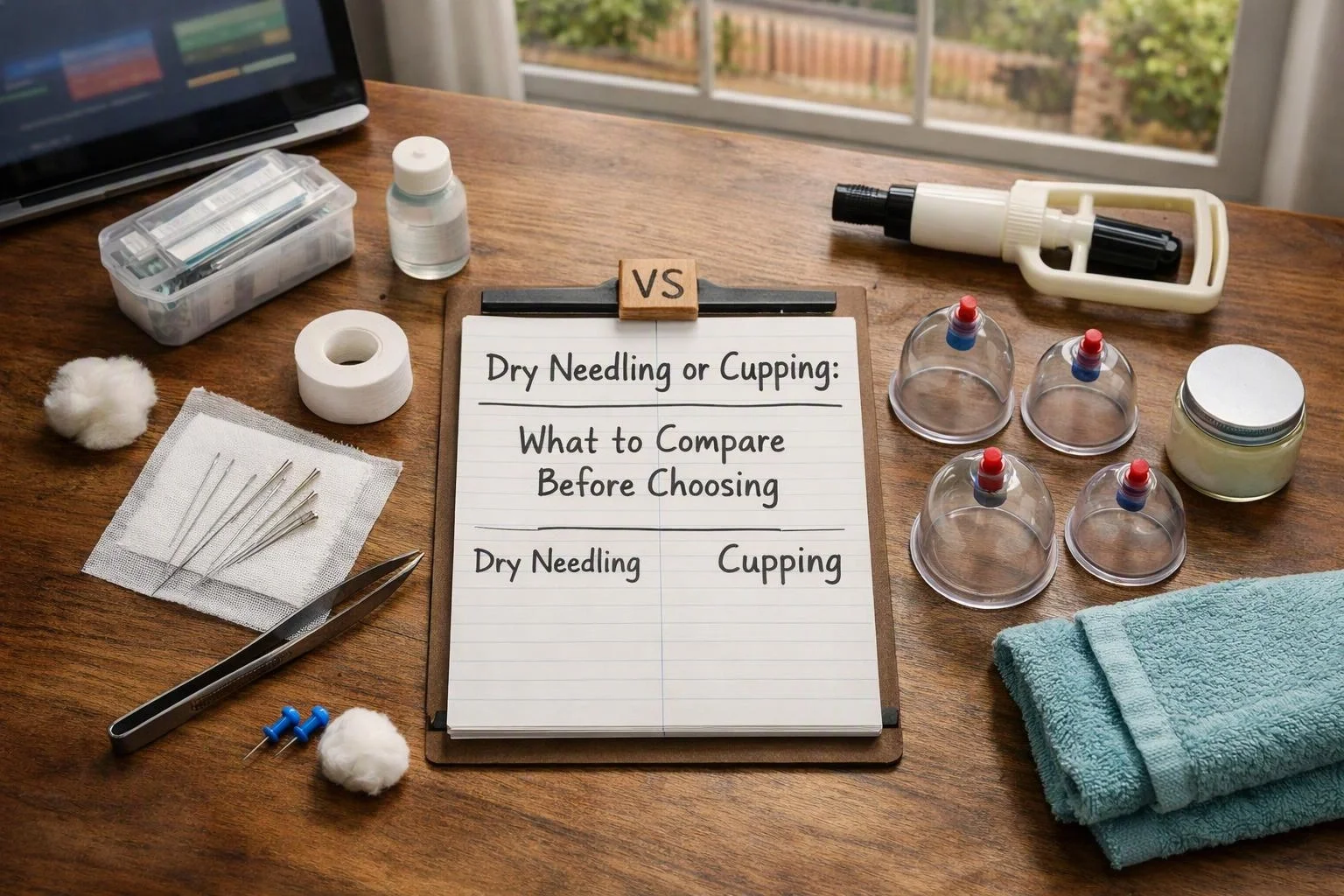
Dry Needling or Cupping: What to Compare Before Choosing
Dry needling and cupping therapy are compared by technique, treatment goals, sensations, maintenance, cost drivers, and suitability. Arrowhead Clinic Chiropractic - Albany uses an individual assessment to review your symptoms, comfort preferences, health history, and movement needs before we discuss which option may fit your planned chiropractic care.
Request an EstimateWhat Is the Difference Between Dry Needling and Cupping?
Dry needling uses thin needles to target selected soft-tissue areas, while cupping therapy uses cups and suction over the skin; the better fit depends on the assessment and treatment goal.
Dry needling may focus on trigger points, muscle tension, or a localized treatment area. Cupping therapy applies controlled suction to the skin and underlying soft tissue, which can support a broader manual therapy approach.
We connect either technique to your symptom pattern, movement limitations, and treatment goals. Neither option is universally better for every person.
Dry Needling vs Cupping Therapy at a Glance
Neither treatment is universally better because dry needling and cupping address different preferences and clinical objectives.
The comparison below shows the main factors we review during a clinical assessment. Your treatment area and care plan can change which option makes more sense.
| Factor | Dry Needling | Cupping Therapy |
|---|---|---|
| Treatment technique | Thin needles placed in selected muscular areas | Suction cups applied over selected skin areas |
| Treatment experience | A focused technique with possible pressure, twitching, or brief needle sensations | A pulling or pressure sensation from controlled suction |
| Cost drivers | Assessment needs, treatment area, number of areas, and session plan | Assessment needs, treatment area, number of areas, and session plan |
| Timeline | Planned around the assessment and response to care | Planned around the assessment and skin response |
| Maintenance | Based on movement goals, symptom response, and the care plan | Based on movement goals, symptom response, and skin response |
| Best-fit goals | Targeted work for selected muscle tension or trigger points | Broad-area soft-tissue work and a suction-based treatment experience |
What Does Dry Needling Involve?
Dry needling is a soft-tissue technique that uses thin needles in selected muscular areas to address treatment goals identified during an assessment.
We review the treatment area and relevant health information before choosing where to work. The technique may involve trigger points or other areas connected with muscle tension and movement limitations.
Patients may notice pressure, a brief twitch, or localized discomfort. We explain expected sensations and adjust the approach around patient comfort and needle sensitivity.
Why Some Patients Choose Dry Needling
Dry needling may suit someone who prefers a focused technique for a clearly identified treatment area. We first determine whether the method matches the person’s symptoms and goals.
What Does Cupping Therapy Involve?
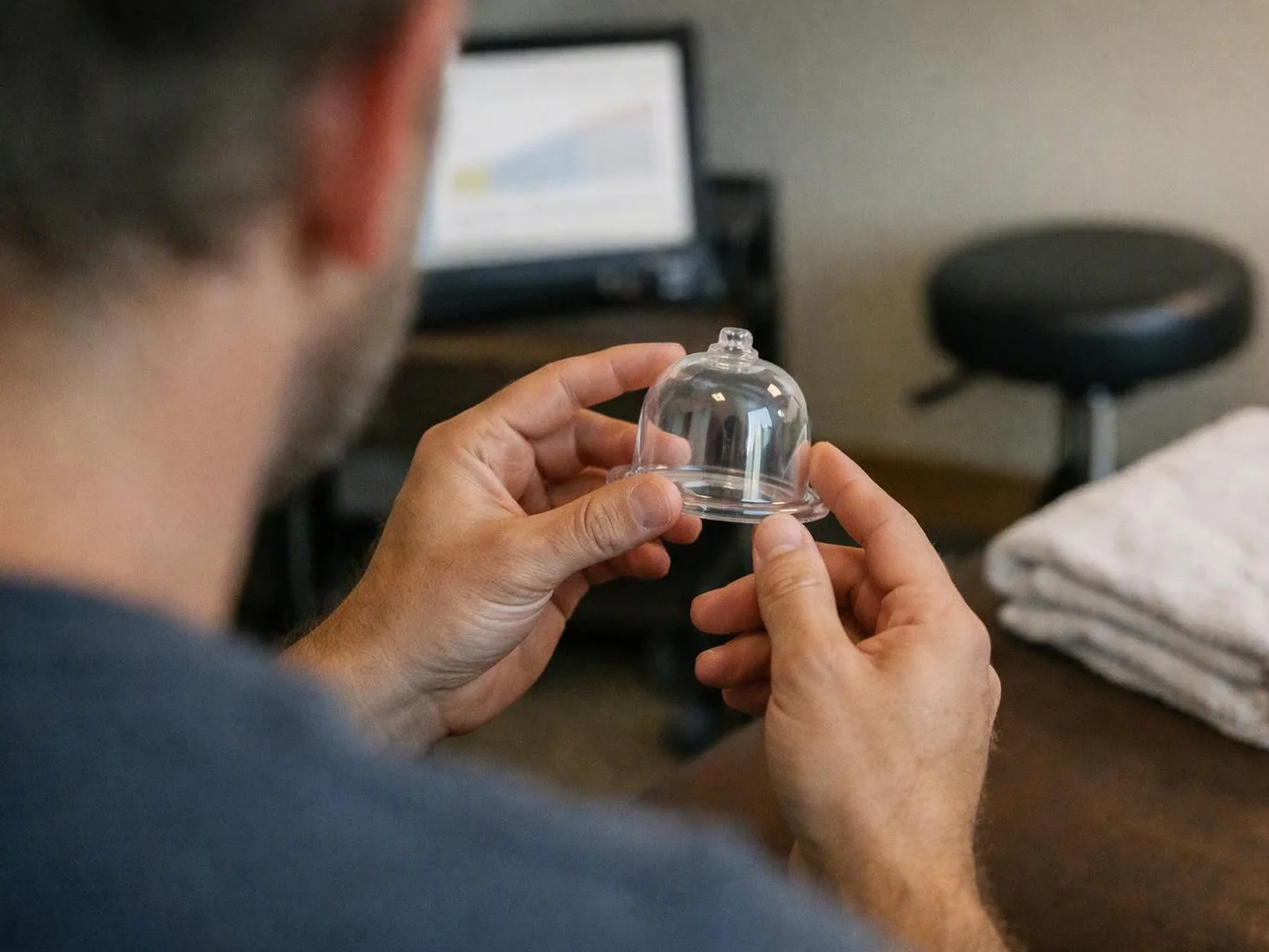
Cupping therapy is a manual soft-tissue technique that applies cups and controlled suction to selected areas of the body.
We place suction cups over the skin according to the treatment area and planned goal. Stationary cupping keeps cups in selected positions, while gliding cupping uses movement across the skin when that approach fits the care plan.
Cupping can create a pulling, pressure, or tight skin sensation. Temporary skin response may occur, so we discuss skin sensitivity and aftercare before treatment.
Why Some Patients Choose Cupping Therapy
Cupping therapy may suit someone who prefers suction over needles or wants a broader treatment area. We review the skin response and the intended goal before selecting the technique.
How Should You Choose Between Dry Needling and Cupping?
Clinical assessment should guide the choice between dry needling and cupping after we review symptoms, treatment goals, needle comfort, skin sensitivity, and medical history.
Needle sensitivity may make cupping more comfortable for some people. Skin sensitivity, certain health conditions, or a preference for a focused technique may affect whether dry needling fits the plan.
We also consider the symptom pattern, movement limitations, treatment area, and desired aftercare. Our team explains the expected sensations before we begin and updates the care plan as your response becomes clearer.
To review the technique in more detail, see Dry Needling.
What Changes the Cost of Dry Needling or Cupping?
The cost of dry needling or cupping depends on the treatment area, assessment needs, selected technique, and planned care.
The number of areas addressed can change the session plan. We also consider whether the visit requires a broader consultation or a more focused treatment approach.
Arrowhead Clinic Chiropractic - Albany offers Free Consultations for discussing the appropriate option. We can explain what the planned care includes and how to obtain an exact quote before treatment.
What Should You Ask Before Choosing Either Treatment?
Ask how each technique connects to your treatment objective before choosing dry needling or cupping.
These questions help you understand the technique selection, expected sensations, skin response, aftercare, and care plan.
How We Help You Compare These Chiropractic Treatments
Arrowhead Clinic Chiropractic - Albany reviews your goals and relevant health information with you before we discuss whether dry needling or cupping better fits the planned chiropractic care.
Our chiropractic assessment considers your symptoms, movement, muscle tension, treatment area, and comfort preferences. We explain the selected technique, expected skin response, and aftercare so you can make an informed choice.
Dry needling and cupping may also be considered together when both techniques support the care plan. We decide that approach from the assessment rather than using the same plan for every patient.
Questions About Choosing Dry Needling or Cupping
Can dry needling and cupping be used in the same care plan?
Yes, dry needling and cupping can be used in the same care plan when the clinical assessment shows that both techniques support the treatment goals. Arrowhead Clinic Chiropractic - Albany reviews your response and comfort before combining approaches.
Does cupping hurt more than dry needling?
Neither treatment has the same sensation for every person because cupping creates suction while dry needling uses thin needles in selected soft-tissue areas. We explain the expected sensations and adjust the approach around patient comfort.
Is dry needling appropriate if I do not like needles?
Dry needling may not be the preferred option if needle sensitivity is a major concern, so we discuss comfort before selecting a technique. Cupping therapy may provide a suction-based alternative when it matches the assessment and treatment goals.
What should I tell the chiropractor before dry needling or cupping?
Tell us about your symptoms, medical history, skin sensitivity, needle sensitivity, current care, and any concerns about treatment sensations. This information helps us choose a suitable technique and explain aftercare.
Discuss Your Dry Needling or Cupping Options
Arrowhead Clinic Chiropractic - Albany can review your symptoms, comfort preferences, and treatment goals during a consultation. We will explain the planned chiropractic care, cost drivers, expected sensations, and aftercare before you choose an option.
Contact our team to discuss which approach may fit your care plan.