Spinal Decompression Therapy: How It Works, Potential Benefits, and Questions to Ask
Spinal decompression therapy is a non-surgical chiropractic approach that may reduce pressure-related back or leg symptoms for appropriate patients, while risks and suitability depend on the underlying condition; Arrowhead Clinic Chiropractic - Albany evaluates your symptoms before recommending care.
Request an EstimateWhat Is Spinal Decompression Therapy?
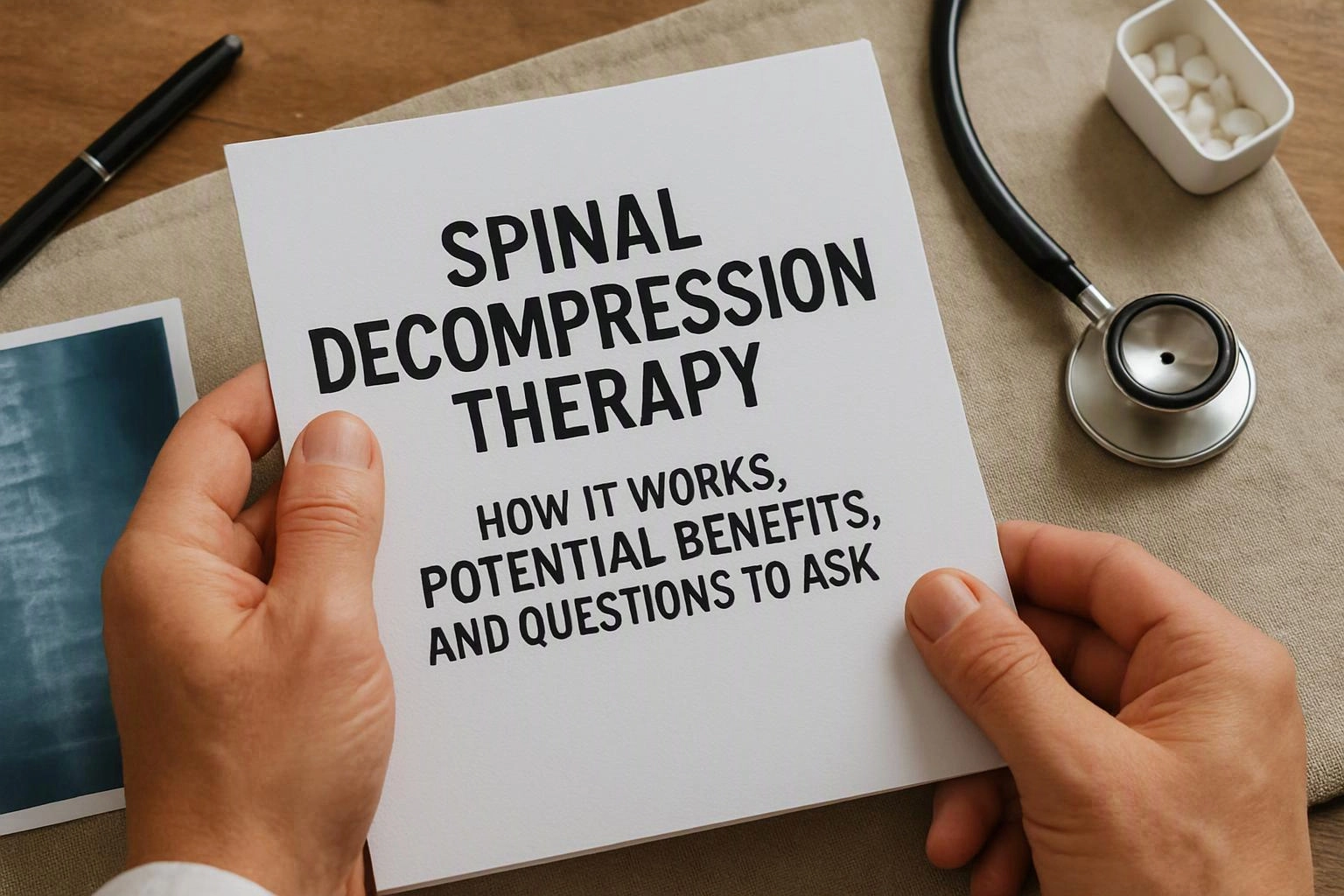
Spinal decompression therapy is a non-surgical chiropractic treatment that uses controlled spinal unloading to address symptoms associated with pressure on spinal structures.
The approach uses gentle spinal traction to place controlled force through the spine. The goal is to reduce stress around spinal discs, vertebrae, and nearby nerves when those structures may contribute to symptoms.
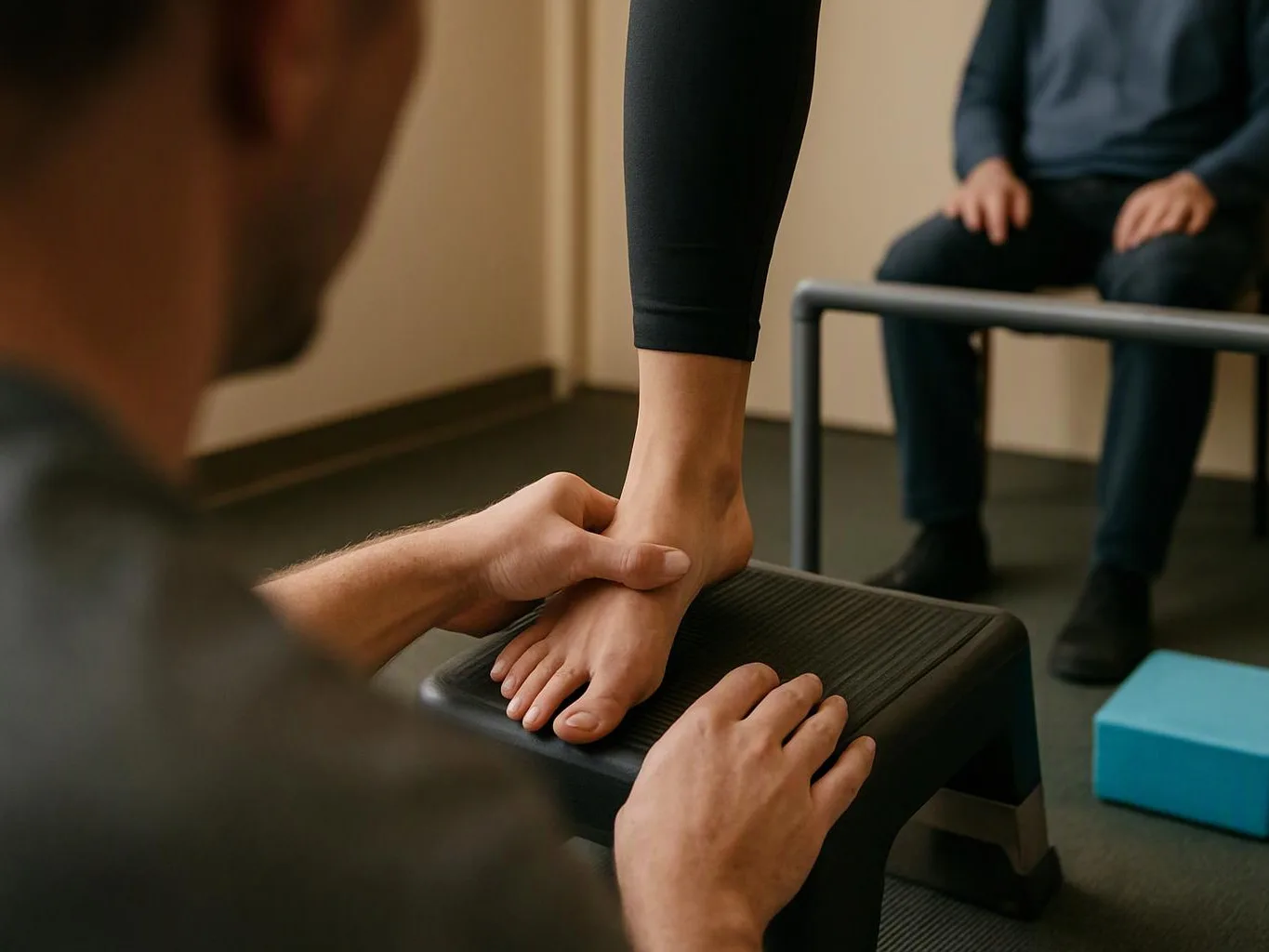
Our chiropractic care begins with an evaluation rather than a routine treatment choice. We consider the location, pattern, and possible cause of your symptoms before discussing whether decompression treatment belongs in your care plan.
How Does Spinal Decompression Therapy Work?
Spinal decompression therapy works through a planned sequence of evaluation, positioning, controlled unloading, and progress review. Our team adjusts the process to your symptoms and treatment tolerance.
What Are the Potential Benefits of Spinal Decompression Therapy?
Spinal decompression therapy may help reduce pain, irritation, or restricted movement when symptoms are related to spinal disc or nerve pressure.
Potential treatment benefits may include relief from back pain, neck pain, or radiating pain linked with sciatica. Some people may also notice improved mobility when a herniated disc or pinched nerve contributes to nerve irritation.
Results depend on the underlying diagnosis and the way your body responds. We use symptom relief, movement changes, and treatment tolerance to guide progress monitoring instead of assuming the same response for every patient.
What Are the Risks and Side Effects?
Spinal decompression therapy can cause temporary discomfort or worsen symptoms for some people, so screening and ongoing reassessment are important. We explain treatment risks before care and monitor your response during each visit.
Does Spinal Decompression Therapy Work for Everyone?
No, spinal decompression therapy does not work for everyone because the likely response depends on the cause, severity, and pattern of the symptoms.
Treatment candidacy is more relevant when symptoms appear related to disc pressure or nerve compression. A clinical examination helps us distinguish those patterns from problems that may need another type of care.
Individual response can also vary with movement tolerance, symptom duration, and the underlying diagnosis. We use those findings to decide whether to continue decompression, adjust the care plan, or recommend referral.
Spinal Decompression Therapy vs. Chiropractic Adjustment
Spinal decompression therapy focuses on controlled unloading, while a chiropractic adjustment focuses on applying a directed impulse or mobilization to a joint. Patient assessment helps determine which approach matches the treatment goal.
| Treatment | Main approach | Common treatment goal |
|---|---|---|
| Spinal decompression therapy | Controlled traction and spinal unloading | Address pressure-related disc or nerve symptoms |
| Chiropractic adjustment | A directed impulse or mobilization to a joint | Support joint mobility and movement |
These approaches can have different roles in conservative care. We select an approach after reviewing your symptoms, examination findings, and response to care.
Is Spinal Decompression Therapy Painful?
Spinal decompression therapy should feel controlled and tolerable, but discomfort can occur and should be reported so Arrowhead Clinic Chiropractic - Albany can reassess the treatment.
Traction force, positioning, and the condition being treated can affect comfort. We use your feedback and pain response to decide whether treatment modification is needed.
Sharp, spreading, or steadily worsening symptoms are not signals to push through care. Tell our team immediately so we can pause and review the next step.
What Should You Ask Before Starting Treatment?
Before starting spinal decompression therapy, ask how the findings support treatment and how progress will be monitored. Clear answers can help you understand the care plan and your choices.
How We Decide Whether Spinal Decompression Fits Your Care Plan
Arrowhead Clinic Chiropractic - Albany decides whether spinal decompression fits your care plan by reviewing your history, examining your symptoms, and monitoring how you respond.
We consider your patient history, physical examination, neurological symptoms, and movement assessment. These findings help us determine whether disc-related symptoms or nerve pressure may be involved.
Our team then explains the care plan and what progress monitoring will involve. If the findings suggest a need for medical referral, we discuss that option before proceeding.
Questions About Spinal Decompression Therapy
Can spinal decompression therapy help sciatica?
Yes, spinal decompression therapy may help sciatica when the symptoms are related to spinal disc or nerve pressure, and Arrowhead Clinic Chiropractic - Albany screens for treatment suitability first.
Can spinal decompression therapy help a herniated disc?
Yes, spinal decompression therapy may help some symptoms linked with a herniated disc, but the likely response depends on the disc findings, nerve involvement, and clinical examination.
When should someone stop spinal decompression therapy?
Someone should stop spinal decompression therapy when symptoms worsen, treatment becomes poorly tolerated, or reassessment shows that another form of care or medical referral is more appropriate.
Should you get medical imaging before spinal decompression therapy?
Medical imaging before spinal decompression therapy is not automatically needed for every person, because the decision depends on the history, examination findings, symptom pattern, and clinical concerns.
Spinal decompression therapy may be appropriate when your symptoms and examination support a pressure-related cause. Arrowhead Clinic Chiropractic - Albany can review your concerns, explain treatment risks and benefits, and help you choose the next step in your care plan.
Contact our team about spinal decompression therapy