
What Is Biomechanics?
Biomechanics is the study of how forces, motion, and body structure interact during movement. It examines actions such as walking, jumping, lifting, or changing direction. In sports injury treatment, biomechanics helps describe movement patterns that may increase stress on muscles, joints, connective tissues, or the spine during activity.
Quick Facts About Biomechanics
Category
Movement science
Used for
Analyzing sports movement and physical stress
Common confusion
Biomechanics is broader than posture assessment
Also called
Human Biomechanics, Movement biomechanics
Often discussed with
Sports Injury Treatment
Key Takeaways About Biomechanics
- Movement analysis focuses on forces and motion, not symptoms alone.
- Small changes in technique can alter stress across the body.
- Biomechanics is not the same as body posture by itself.
How Biomechanics Works
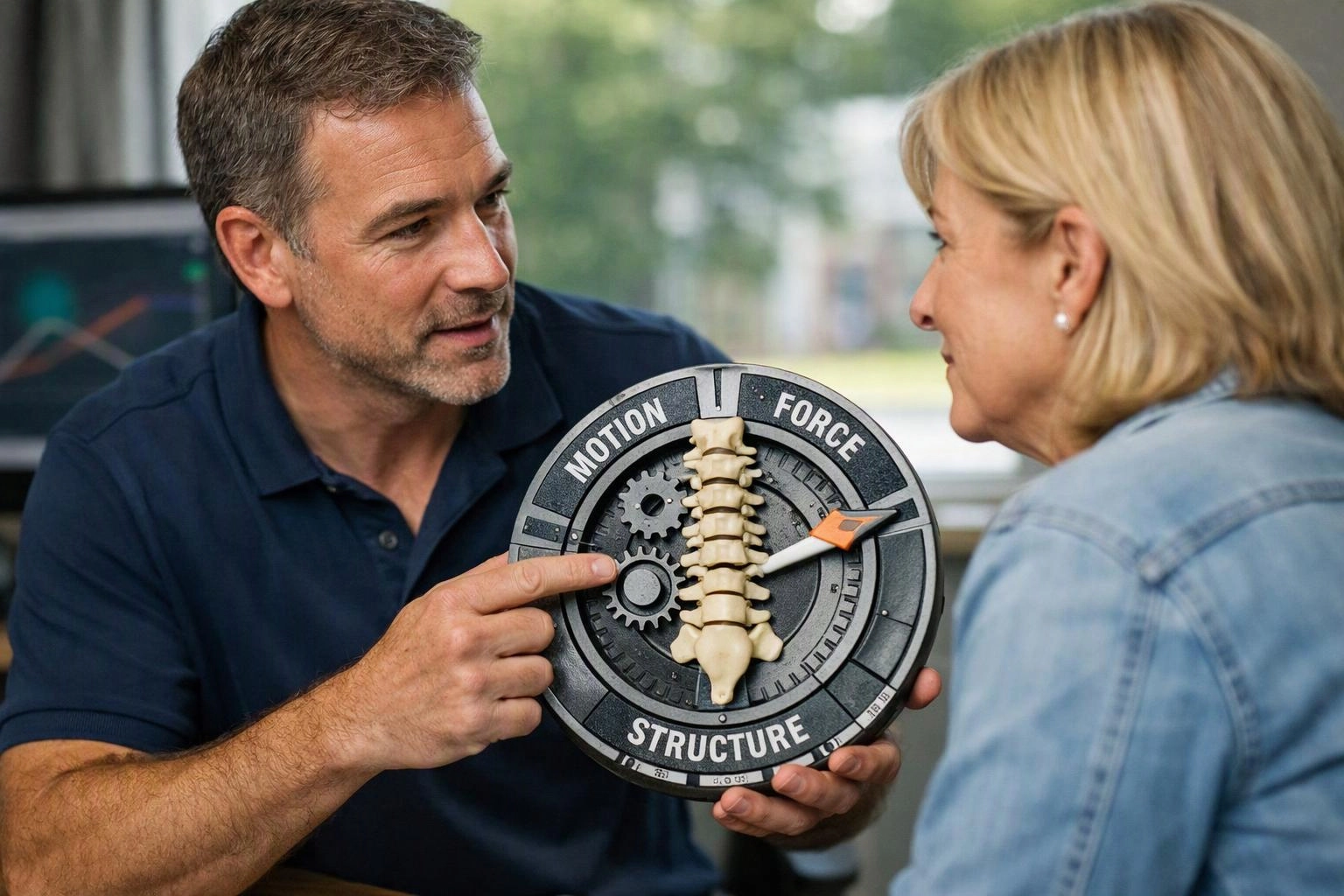
Biomechanics examines movement by considering body position, joint motion, muscle action, and outside forces. The analysis may focus on how a person lands, pushes off, rotates, or changes direction. These observations connect movement patterns with the way physical stress travels through the body.
Related glossary terms: Gait Assessment, Posture Assessment, Proprioception.
A clinician may watch an activity, compare movement between sides, and assess range of motion or coordination. Gait assessment applies the same idea to walking and running, while proprioception describes the body’s awareness of position and movement. In sports injury treatment, the findings can guide decisions about movement changes, exercise selection, and the areas that need closer examination.
From the Arrowhead Clinic Chiropractic - Albany team
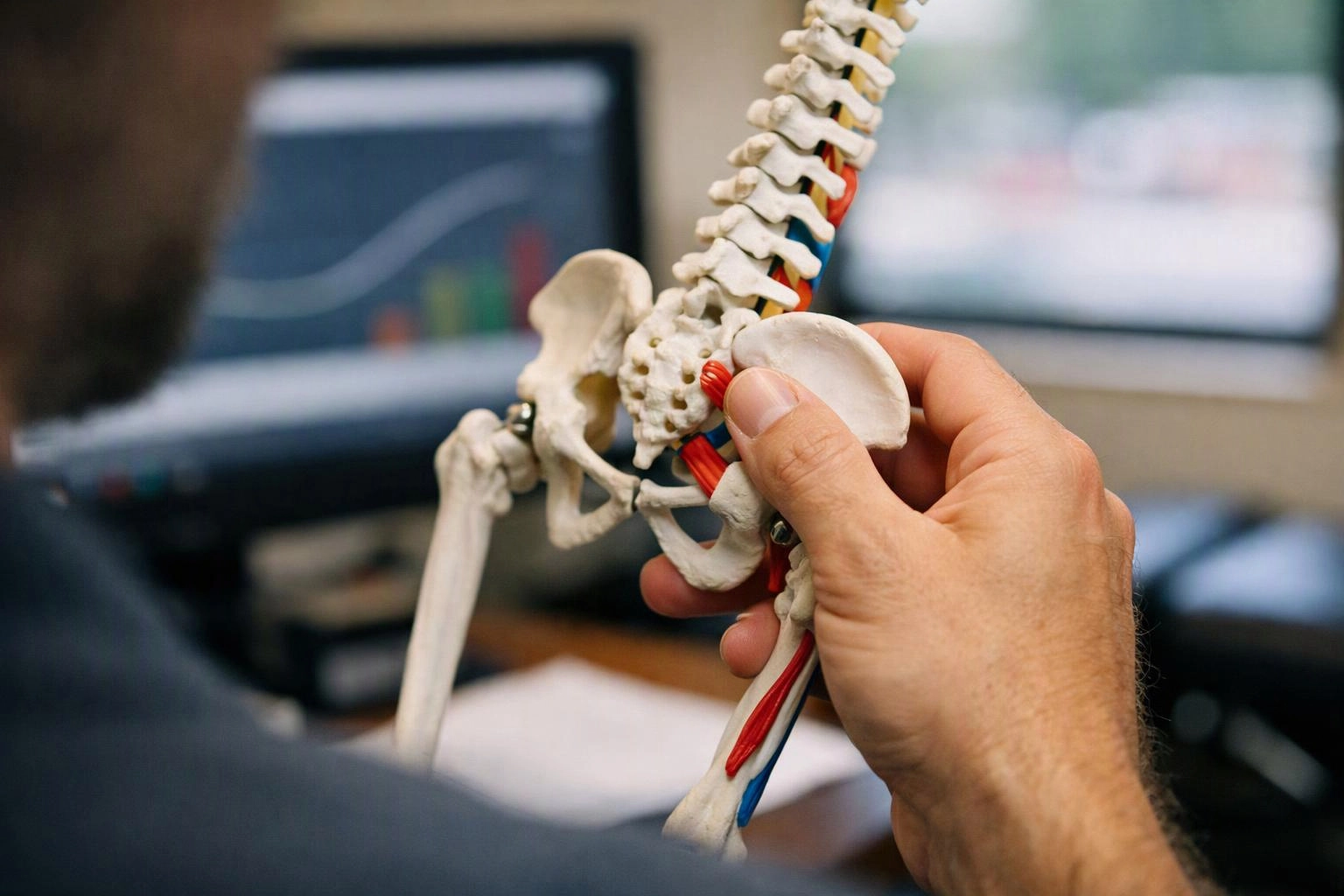
When we assess biomechanics, we observe how a person moves during an activity related to the injury. We also consider joint motion, muscle control, balance, and how movement on one side compares with the other. These details help our team connect sports demands with the physical areas under examination.
Biomechanics in Practice: A Real-World Example
A runner with knee discomfort may show the knee moving inward during a single-leg landing. Biomechanical assessment examines the landing position, hip and ankle motion, and control of the movement to identify patterns that deserve attention during sports injury treatment.
Related Services
Related Terms
Gait Assessment
Gait Assessment is a structured review of how you walk or run, including foot contact, leg…
Posture Assessment
A posture assessment is a structured review of how you hold your head, neck, shoulders, spine…
Proprioception
Proprioception is the body’s sense of joint position and movement. Sensors in muscles, tendons, ligaments, and…
Range Of Motion
Range Of Motion is the amount and direction a joint can move through its available movement…
Arrowhead Clinic Chiropractic - Albany
Have Questions About Biomechanics?
Contact Arrowhead Clinic Chiropractic - Albany for practical guidance on Biomechanics and related chiropractor work in Albany.