Headaches, Migraines, and Neck Pain: When to Seek an Evaluation
A chiropractor for headaches and migraines can evaluate neck-related contributors and headache patterns; Arrowhead Clinic Chiropractic - Albany provides headache and migraine treatment with Free Consultations.
Request an EstimateWhen Should Headaches, Migraines, and Neck Pain Be Evaluated?
Headaches, migraines, and neck pain should be evaluated when symptoms are new, recurring, worsening, linked with neck movement, or accompanied by warning signs.
A chiropractic evaluation can help assess musculoskeletal contributors, such as neck stiffness, posture changes, or restricted movement. Medical evaluation is important when symptoms suggest a serious neurological or systemic problem.
Headache and migraine treatment should match the pattern and likely cause of the symptoms. We first determine whether chiropractic care is appropriate and whether medical referral is needed.
Signs and Symptoms That Deserve Attention
Red flags can make medical evaluation more urgent, while recurring or movement-related symptoms may support a chiropractic assessment.
We do not treat warning signs as routine neck pain. When symptoms need medical evaluation, we recommend appropriate care before chiropractic treatment.
Can Neck Pain Cause a Headache?
Neck pain can cause a cervicogenic headache when irritation or dysfunction in the neck refers pain into the head.
Neck joints, neck muscles, and nearby tissues can send pain signals into the back of the head or one side of the head. Poor posture and sustained positions can increase stress on these structures.
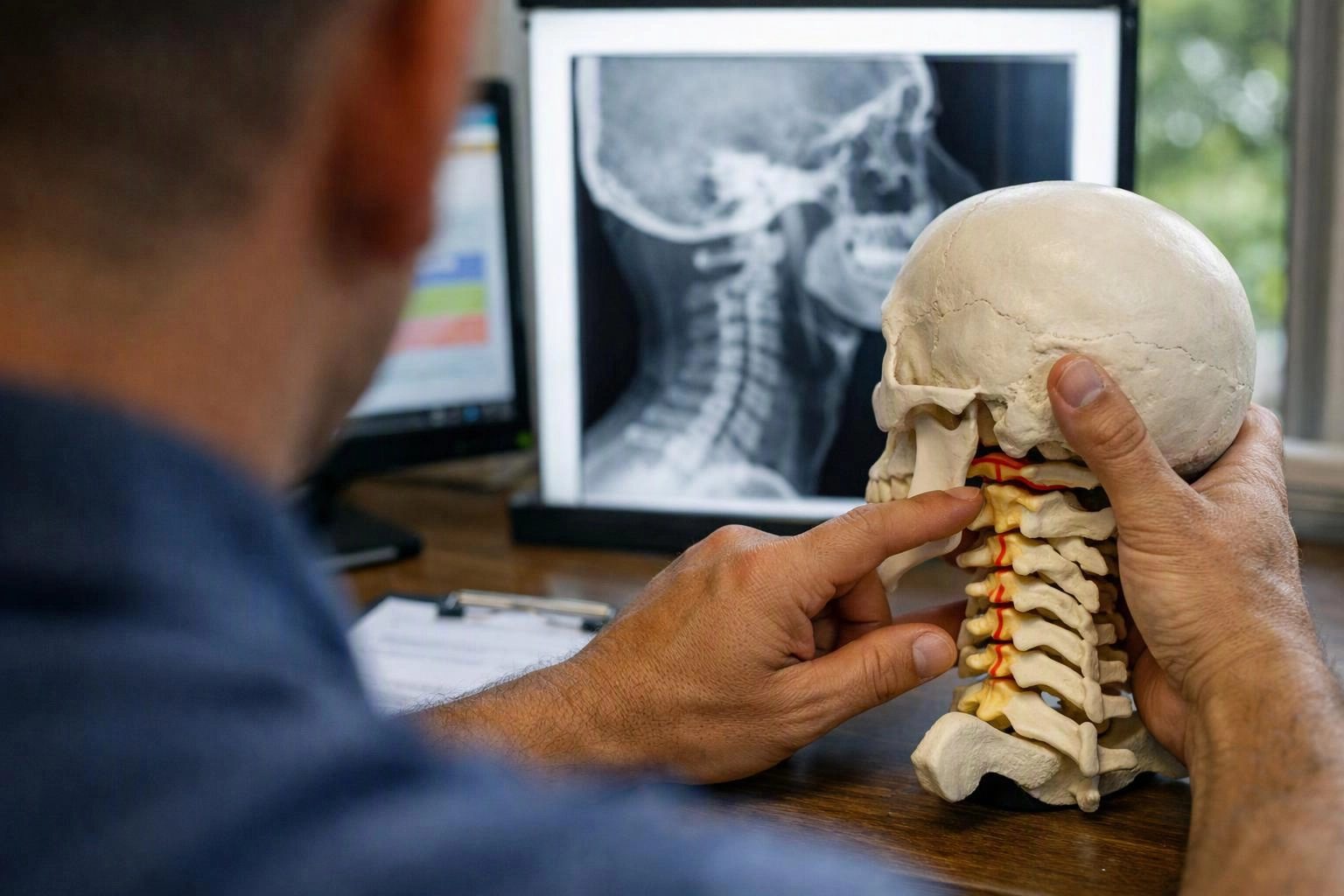
We assess the cervical spine, neck mobility, muscle tension, and symptom pattern to determine whether referred pain may be contributing to the headache.
What Does a Neck-Related Headache Feel Like?
A neck-related headache often begins in the neck or back of the head and changes with neck movement or sustained posture.
A cervicogenic headache may feel one-sided and may travel from the neck toward the forehead, temple, or eye. Neck stiffness and reduced neck movement can occur with the head pain.
Symptoms may increase after prolonged sitting, screen use, or a position that keeps the head turned. Our examination looks for this connection without assuming that every headache comes from the neck.
Common Causes of Headaches, Migraines, and Neck Pain
Common causes include musculoskeletal strain, migraine triggers, and changes after an injury. We connect the reported symptoms with the findings from the physical assessment.
We use the symptom history and physical examination to separate a likely neck-related pattern from a migraine pattern or a possible secondary headache.
How We Evaluate Headaches and Neck Pain
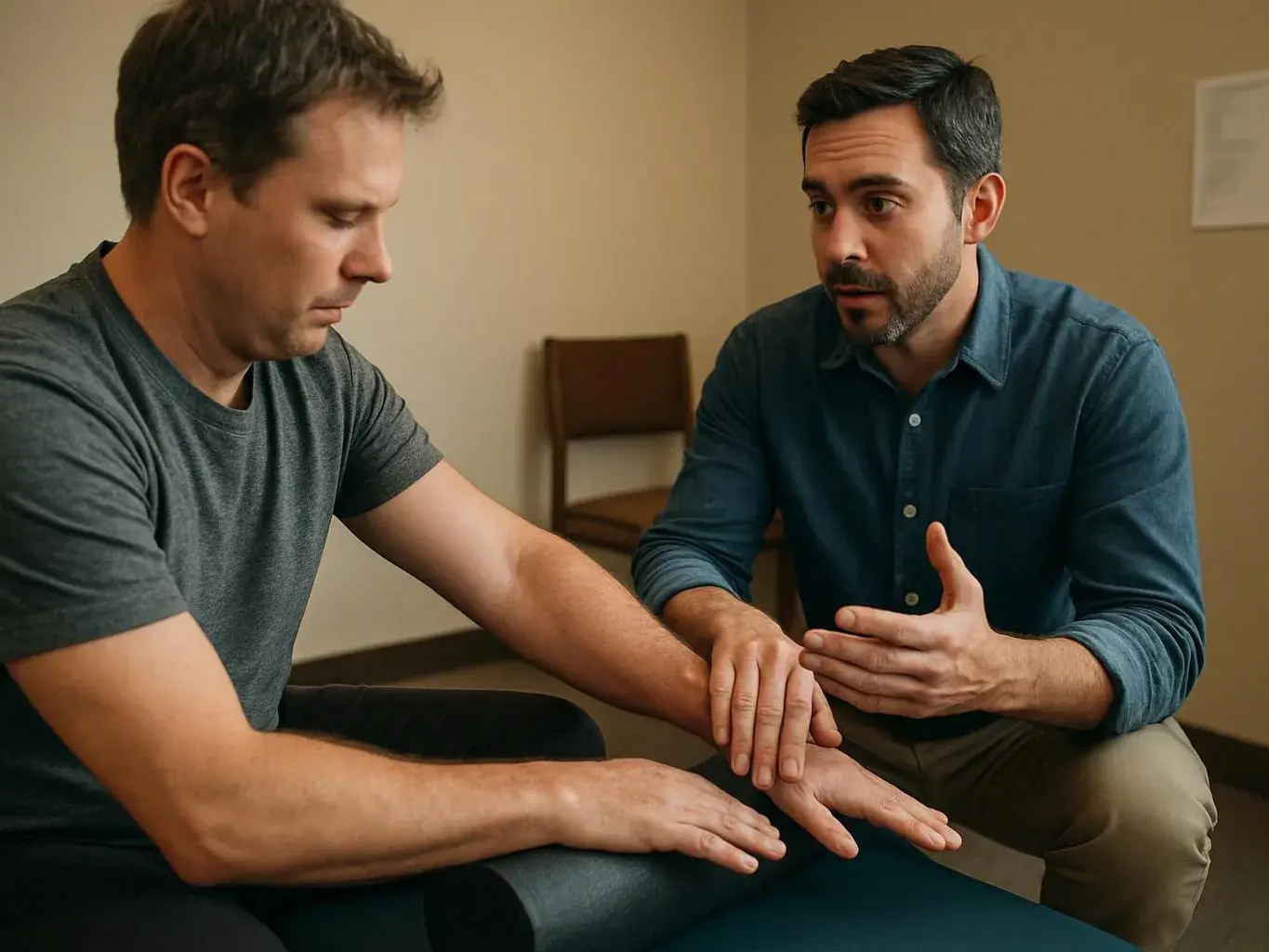
Arrowhead Clinic Chiropractic - Albany evaluates symptom patterns, neck movement, posture, and relevant warning signs before determining whether chiropractic care is appropriate.
We begin with a symptom history that covers onset, location, frequency, triggers, associated symptoms, injuries, and changes over time. Our physical examination considers neck mobility, posture, muscle tenderness, and movement that reproduces or changes symptoms.
We also perform neurological screening when relevant. If the findings suggest a medical evaluation or referral, we explain that next step before beginning chiropractic care.
Headache Types and When Chiropractic Care May Fit
Headache type helps guide the next step, but symptoms can overlap. We use the clinical pattern and examination findings to decide whether chiropractic care fits or whether medical referral is more appropriate.
| Headache type | Common pattern | When to consider next steps |
|---|---|---|
| Tension headache | Pressure or tightness that may occur with muscle tension and posture strain. | A chiropractic evaluation may fit when neck and muscle findings are present. |
| Cervicogenic headache | Pain referred from the neck and affected by neck movement or position. | Neck pain treatment may fit after we assess the cervical spine and screen for warning signs. |
| Migraine | Head pain that may occur with nausea, light sensitivity, or individual migraine symptoms. | Migraine treatment may include chiropractic care when a neck contribution is present, with medical judgment for the overall pattern. |
| Secondary headache | Head pain linked with another condition, injury, or concerning change. | Medical evaluation and possible medical referral take priority. |
We do not use a headache label alone to choose treatment. We match the care plan to the examination and the presence or absence of red flags.
Can a Chiropractor Help With Headaches or Migraines?
Chiropractic care may help some people with headaches or migraines when a neck or musculoskeletal contribution is present, but migraine symptoms and warning signs require appropriate medical judgment.
Our headache treatment focuses on findings that may be connected to neck mobility, posture, muscle tension, and referred pain. Our migraine treatment approach considers whether neck-related factors may be adding to the symptom pattern.
We do not assume that every headache is a chiropractic problem. Symptom evaluation comes first, and we recommend medical referral when the pattern does not fit safe chiropractic care.
Ways to Reduce Common Headache and Neck Pain Triggers
Daily habits can reduce common headache triggers, especially when symptoms are linked with posture or sustained positions. These steps do not replace evaluation when symptoms are severe, new, or unusual.
We can discuss these triggers during your symptom review and identify whether neck pain treatment may address a related musculoskeletal factor.
What to Expect From Headache and Migraine Treatment
Headache and migraine treatment begins with an initial consultation and continues through symptom review, physical assessment, and progress monitoring.
Our team also explains what findings support neck pain treatment and what changes should prompt medical evaluation.
Request a Headache and Migraine Evaluation
Arrowhead Clinic Chiropractic - Albany provides headache and migraine evaluations, Free Consultations, upfront pricing, and same-day service.
We review the symptoms, explain what the evaluation includes, and provide pricing information before care. Visit the Headache And Migraine Treatment service page to request care.
Contact us when you want to discuss a recurring headache, migraine pattern, or neck-related headache. Seek medical care promptly for red flags or serious neurological symptoms.
Questions About Headaches, Migraines, and Neck Pain
When should I see a chiropractor for headaches?
Arrowhead Clinic Chiropractic - Albany can evaluate recurring headaches when symptoms connect with neck movement, posture, neck stiffness, or musculoskeletal tension. New, severe, worsening, or unusual headaches with neurological symptoms require medical evaluation.
Should I see a doctor or chiropractor for a migraine?
A migraine with new, severe, changing, or concerning symptoms needs medical evaluation, while chiropractic care may fit when the assessment finds a related neck or musculoskeletal contribution. Our team screens the pattern and recommends the appropriate next step.
Can poor posture cause headaches and neck pain?
Poor posture can increase strain on the neck muscles and joints, which may contribute to neck pain and a neck-related headache. We assess posture together with neck mobility and the full symptom pattern.
What happens during a chiropractic headache evaluation?
A chiropractic headache evaluation includes a symptom history, physical examination, neck mobility assessment, posture review, and screening for warning signs. We explain whether chiropractic care is appropriate and whether medical referral is needed.
Related Resources
Chiropractor or Physical Therapist: Which Is the Better Fit?
Compared ToChoosing a Provider for Headaches or Migraines: Questions to Consider
What Goes With ItHow Chiropractors Determine Visit Frequency and Track Progress
What's RequiredSymptoms That Need Medical Attention Before Chiropractic Care